
Honoring the Lifetime Achievements and Contributions of Professor Kenji Ishihara
September 10th & 11th, 2026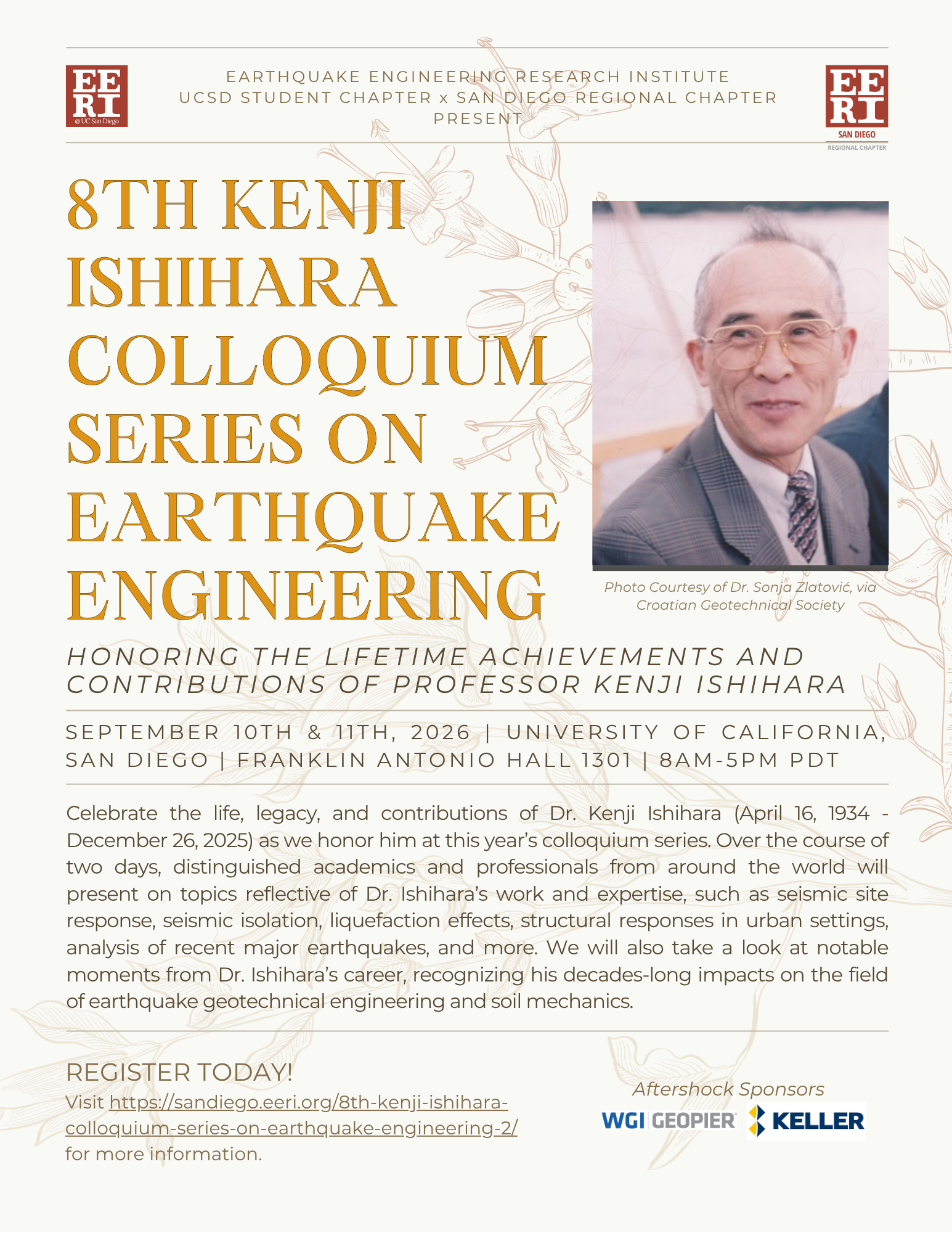
University of California, San Diego
Franklin Antonio Hall 1301
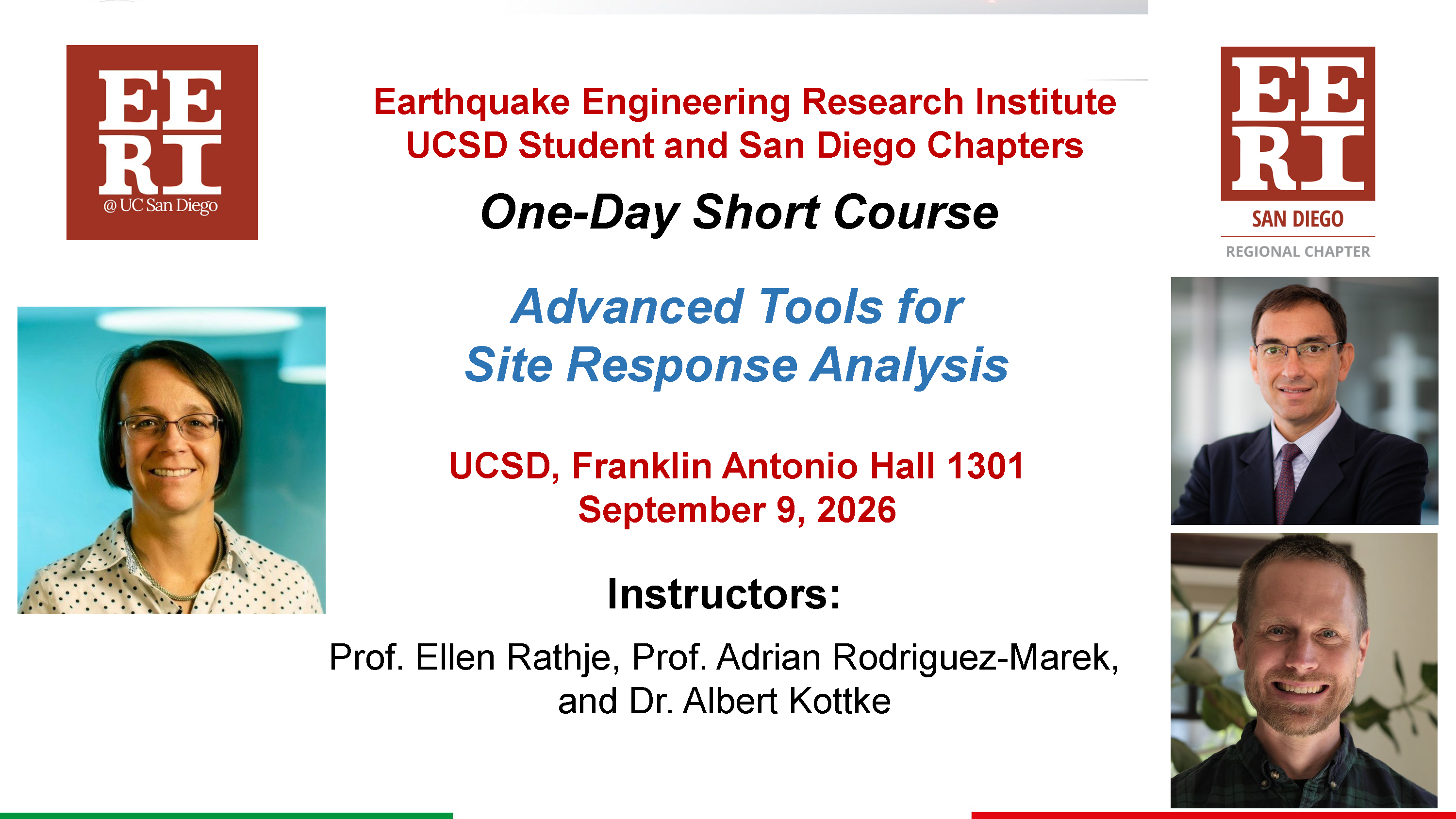
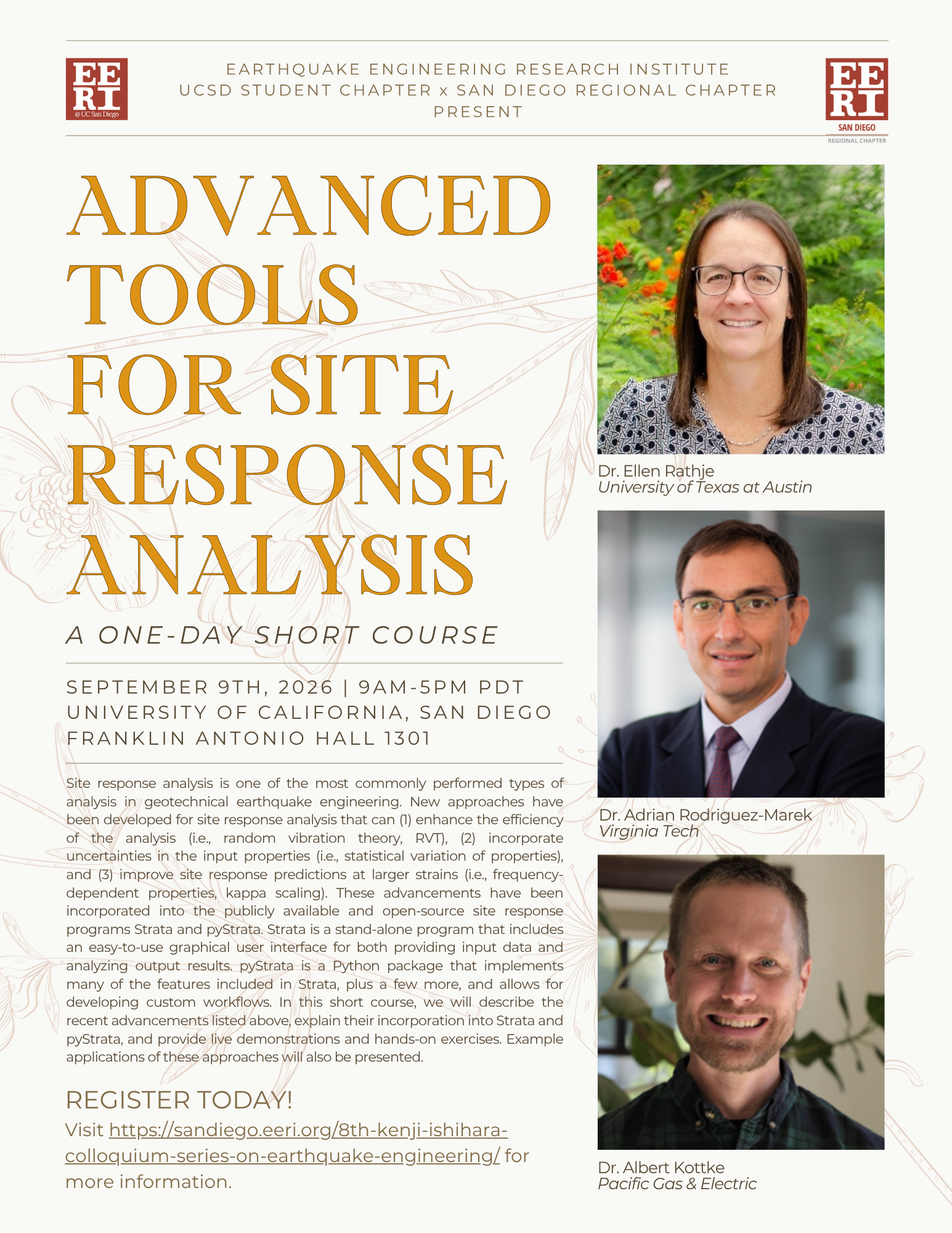
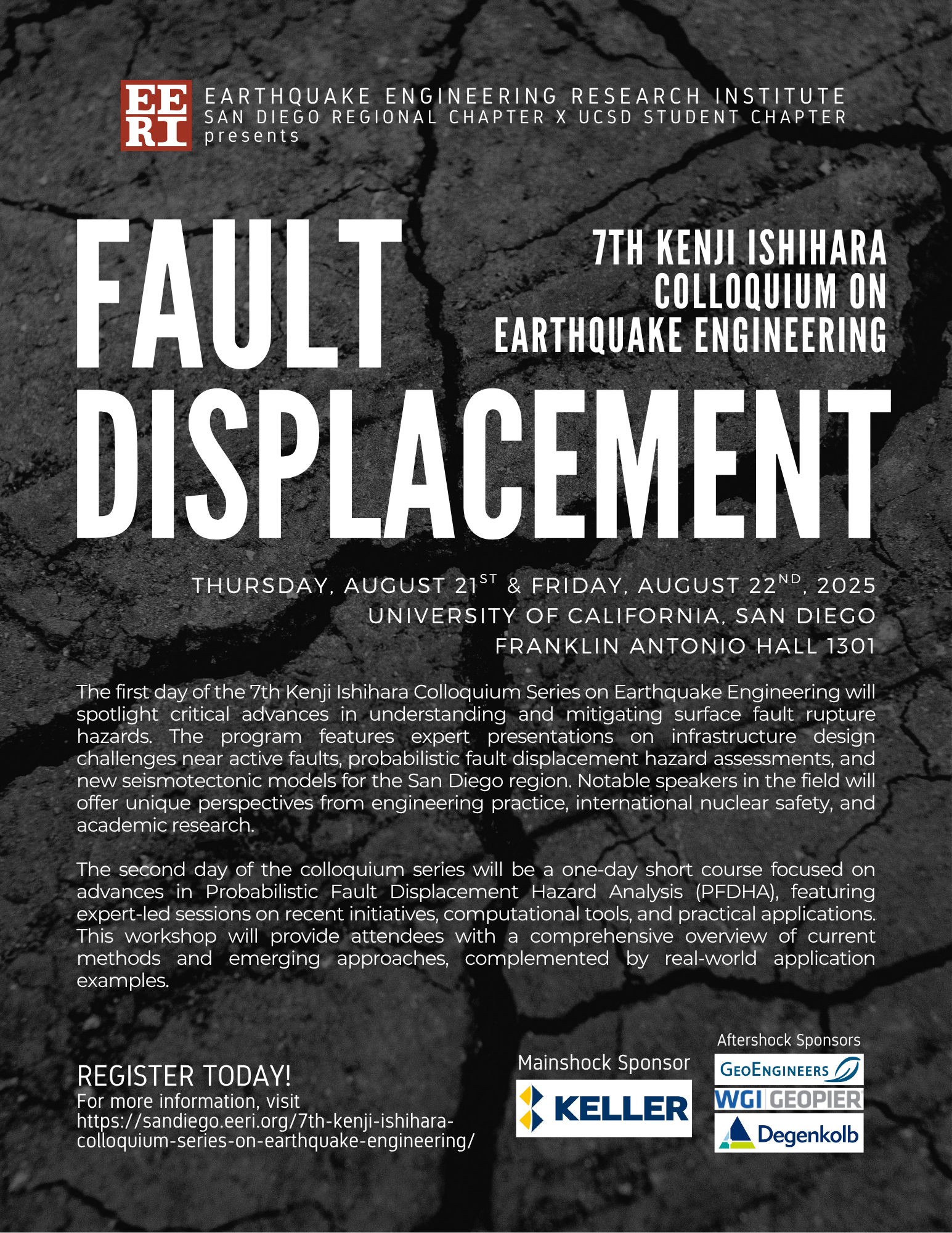
Join us for the 8th Kenji Ishihara Colloquium Series on Earthquake Engineering, hosted by the EERI UCSD Student and San Diego Regional Chapters. This year’s colloquium will consist of a one-day short course on September 9th about Advanced Tools for Site Response Analysis featuring Professor Ellen Rathje, Dr. Albert Kottke, and Professor Adrian Rodriguez-Marek, followed by a lineup of notable speakers on September 10th & 11th covering topics in tribute to the late Professor Kenji Ishihara.
Celebrate the life, legacy, and contributions of Dr. Kenji Ishihara (April 16, 1934 – December 26, 2025) as we honor him at this year’s colloquium series. Over the course of two days, distinguished academics and professionals from around the world will present on topics reflective of Dr. Ishihara’s work and expertise, such as seismic site response, seismic isolation, liquefaction effects, structural responses in urban settings, analysis of recent major earthquakes, and more. We will also take a look at notable moments from Dr. Ishihara’s career, recognizing his decades-long impacts on the field of earthquake geotechnical engineering and soil mechanics.
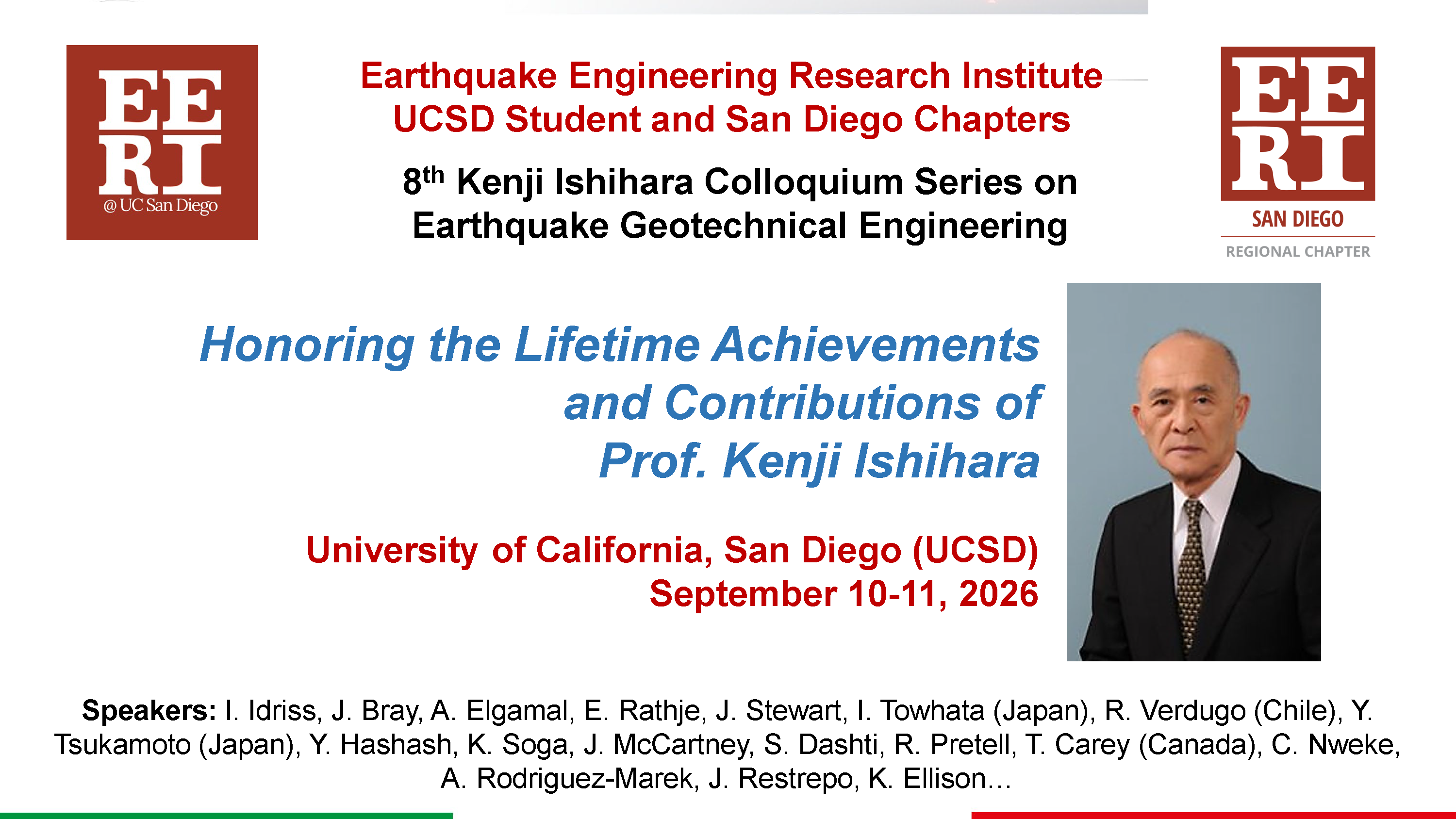
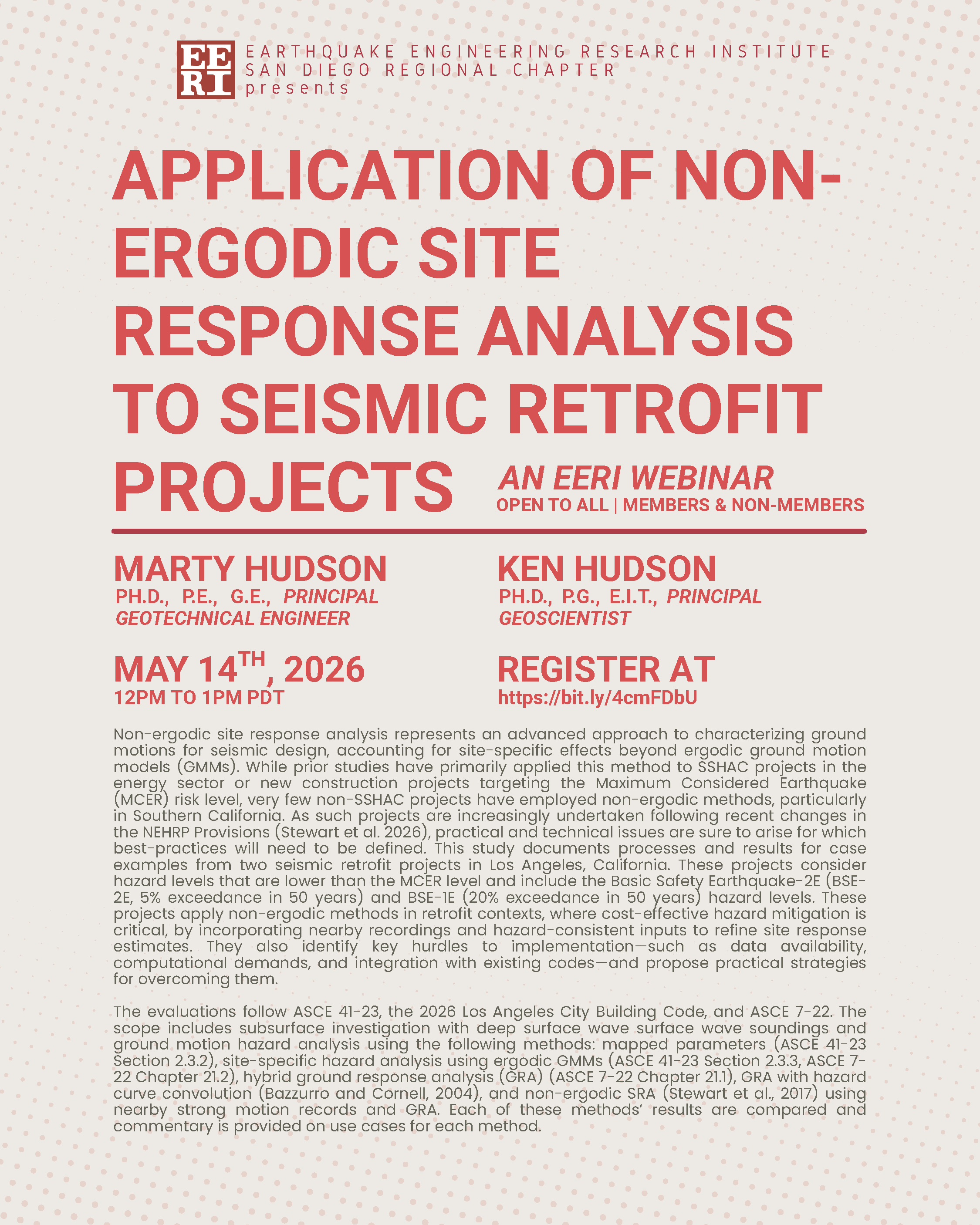
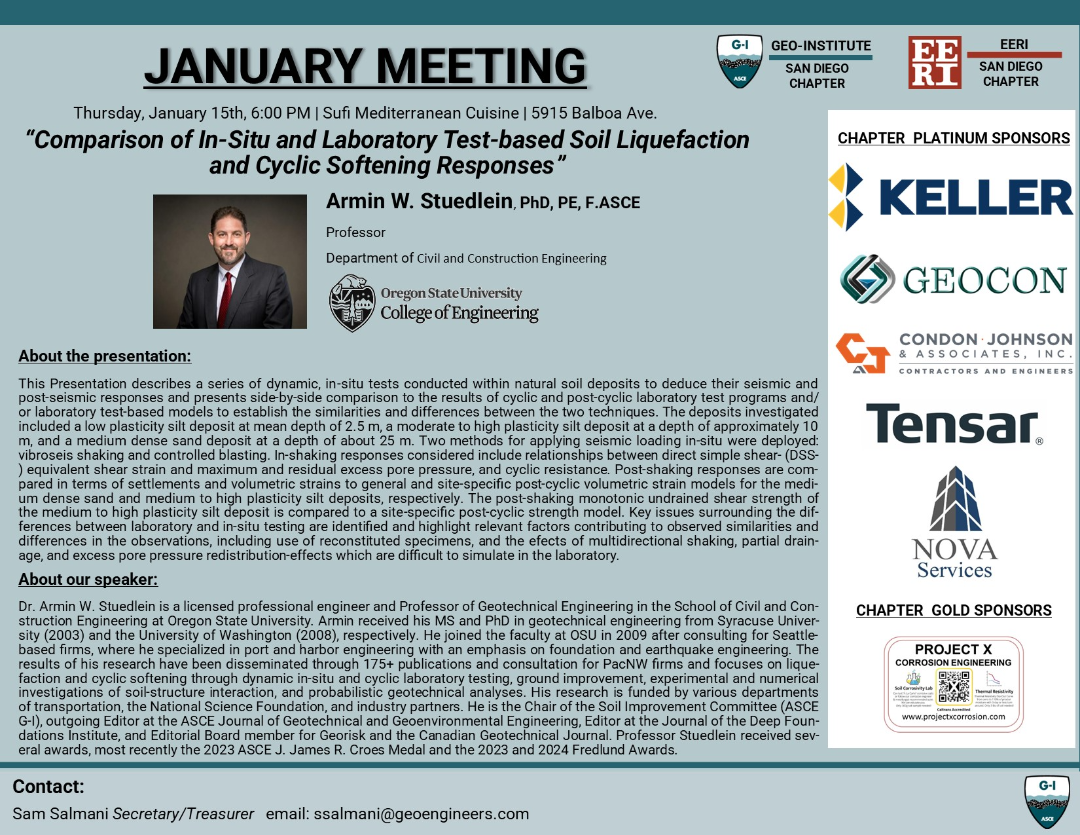
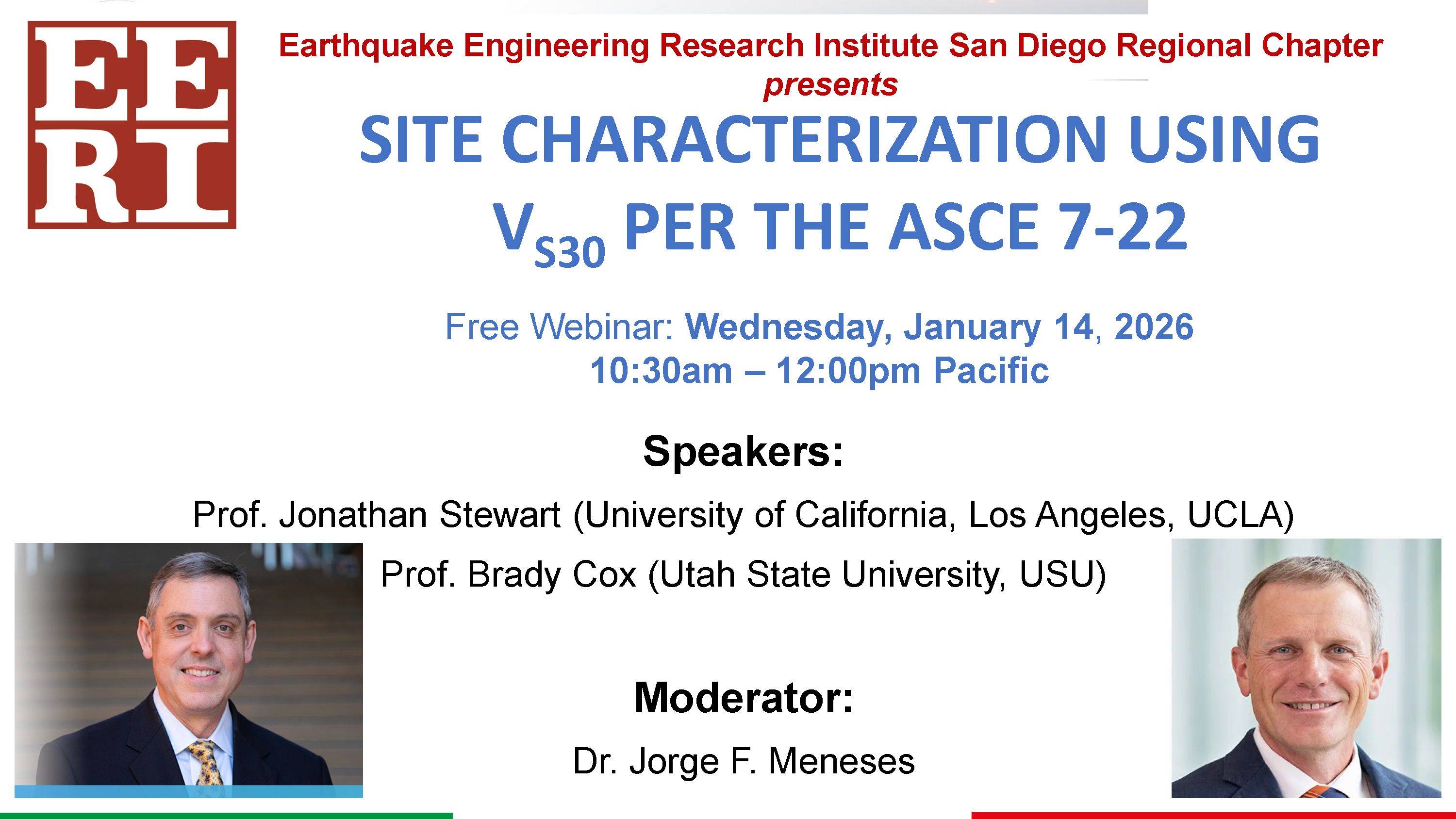
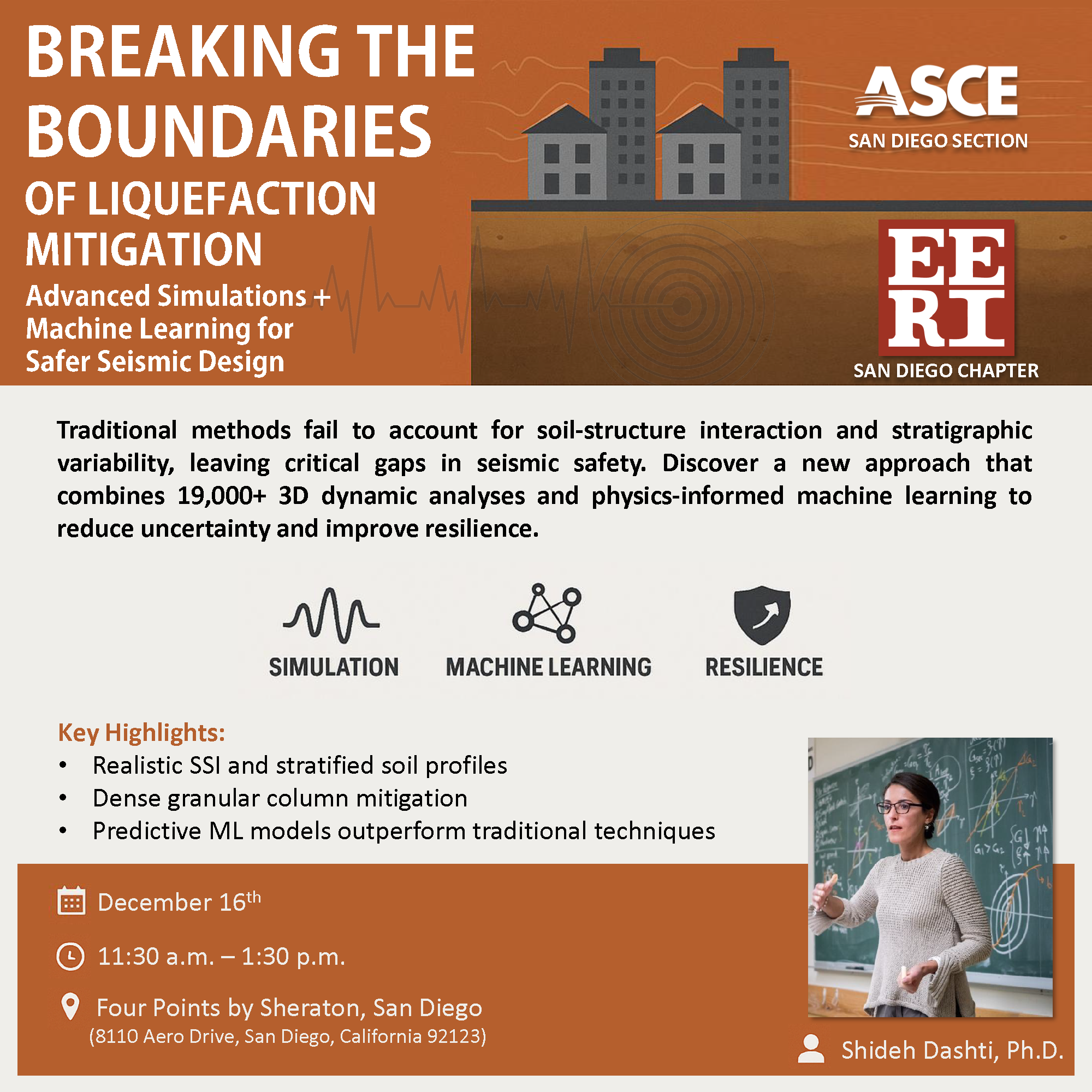
Click the images to the above-right and below to view the event flyer and announcement slides, respectively.
PROGRAM
Thursday, September 10th
Session 1 - Moderator: TBD
| Time | Topic & Speaker | |
|---|---|---|
| 8:15am | 8:30am | Highlights of Professor Kenji Ishihara's Biography Prof. Ikuo Towhata |
| 8:30am | 8:55am | Preparing for the Next-Next Big Earthquake Prof. Kenichi Soga |
| 8:55am | 9:20am | Developments in Soil Liquefaction Engineering Achieved with Professor Ishihara During the Last 30 Years Prof. Yoshimichi Tsukamoto |
| 9:20am | 9:50am | Discussion Panel |
| 9:50am | 10:10am | Break |
| 10:15am | 10:40am | Induced Seismicity in Texas: Ground Motions and Seismic Risk Prof. Ellen Rathje |
| 10:40am | 11:05am | Revisiting Valley of Mexico Seismic Site Response Prof. Jonathan Stewart |
| 11:05am | 11:30am | Epistemic Uncertainty in Site Response Prof. Adrian Rodriguez-Marek |
| 11:30am | 12:00pm | Discussion Panel |
| 12:00pm | 1:00pm | Lunch |
Session 2 - Moderator: TBD
| Time | Topic & Speaker | |
|---|---|---|
| 1:00pm | 1:25pm | Modeling Seismic Site Effects and Soil-Structure Interaction: A 1D-to-3D Nonlinear Analysis Framework Including Liquefaction Prof. Youssef Hashash |
| 1:25pm | 1:50pm | Seismic Response of Ground and Ground-Structure systems: Insights from Computational Simulation Prof. Ahmed Elgamal |
| 1:50pm | 2:15pm | Undrained Triaxial Tests with Stepwise Volumetric Strain Applications Dr. Ramon Verdugo |
| 2:15pm | 2:45pm | Discussion Panel |
| 2:45pm | 3:15pm | Break |
| 3:15pm | 3:40pm | Performance of Ordinary Seismically Isolated Bridges Beyond Design Shaking Prof. Gilberto Mosqueda |
| 3:40pm | 4:05pm | My Thoughts on 2025 Mandalay earthquake in Myanmar and the Observed Fault Rupture Prof. Ikuo Towhata |
| 4:05pm | 4:30pm | TBD (Venezuela Earthquakes) Prof. Ashly Cabas |
| 4:30pm | 5:00pm | Discussion Panel |
Friday, September 11th
Session 3 - Moderator: TBD
| Time | Topic & Speaker | |
|---|---|---|
| 8:15am | 8:40am | Professor Ishihara's Contributions to the Evaluation of Liquefaction Effects Prof. Jonathan Bray |
| 8:40am | 9:05am | TBD Prof. I.M. Idriss |
| 9:05am | 9:30am | Mitigation of Seismic Liquefaction in Urban Settings and Stratigraphically Variable Sites Prof. Shideh Dashti |
| 9:30am | 10:00am | Discussion Panel |
| 10:00am | 10:20am | Break |
| 10:20am | 10:45am | Sustainable Ground Improvement Under Seismic Loading: Experimental Insights and Probabilistic Modeling of Biocemented Sands Prof. Chukwuebuka C. Nweke |
| 10:45am | 11:10am | Geotechnical Seismic Isolation using Tire Derived Aggregate Prof. John S. McCartney |
| 11:10am | 11:35am | TBD Prof. Tara Hutchinson |
| 11:35am | 12:05pm | Discussion Panel |
| 12:05pm | 1:05pm | Lunch |
Session 4 - Moderator: TBD
| Time | Topic & Speaker | |
|---|---|---|
| 1:05pm | 1:30pm | Building Response to Six-Component Ground Motion Input Prof. Jose Restrepo |
| 1:30pm | 1:55pm | Seismic Structure-Soil-Structure Interaction Analysis for Below-Grade Infrastructure: Guidance for Screening, Analysis, Validation, and Peer Review Dr. Kirk Ellison |
| 1:55pm | 2:20pm | Seismic Performance of Tunnel-Building-Bridge Systems in Urban Environments Prof. Juan Mayoral |
| 2:20pm | 2:50pm | Discussion Panel |
| 2:50pm | 3:10pm | Break |
| 3:10pm | 3:35pm | Liquefaction Beyond Triggering: What Medium- and Large-Scale Experiments Reveal About Soil–Foundation System Response Prof. Ramin Motamed |
| 3:35pm | 4:00pm | Beyond Triggering: Ground Motion Characteristics Governing Liquefaction-Induced Strain Accumulation During Crustal and Subduction Earthquakes Prof. Trevor Carey |
| 4:00pm | 4:25pm | Liquefaction Effects on Ground Motions Prof. Renmin Pretell |
| 4:25pm | 4:55pm | Discussion Panel |
| 4:55pm | 5:00pm | Closing Remarks |
VENUE
University of California, San Diego
Franklin Antonio Hall 1301
3180 Voigt Drive
La Jolla, CA 92093
REGISTRATION
Click here to register for the colloquium. Early bird registration will be available through 8/10/2026. You will be prompted to register into your my.eeri.org account when you click the blue “Register to Attend” button on the registration page. If you do not have an EERI account, use the “Sign Up” button to create one. We strongly recommend each registrant create an individual EERI account to ensure all communications—including receipts and PDH credits—are received. Accepted payment methods are credit card (MasterCard, Visa, Discover) and ACH. If you need to pay by wire transfer, please contact eeri@eeri.org.
LODGING
Click here for a list of hotels near UCSD.
PARKING
For $8 per day, conference parking permits are available in advance through UCSD’s Parking Portal website, which you can access by clicking here. In order to purchase a parking permit, you will need to create an account. When you click on the aforementioned link, it should show a “Guest User Registration” form. Otherwise, click on “SIGNUP” in the upper right corner of the webpage. Once you fill out the form and create an account, follow the prompts to purchase your conference parking permit for the days you will be attending the colloquium.
You can also pay for parking through the ParkMobile app or website the day(s)-of the colloquium series. More information can be found here.
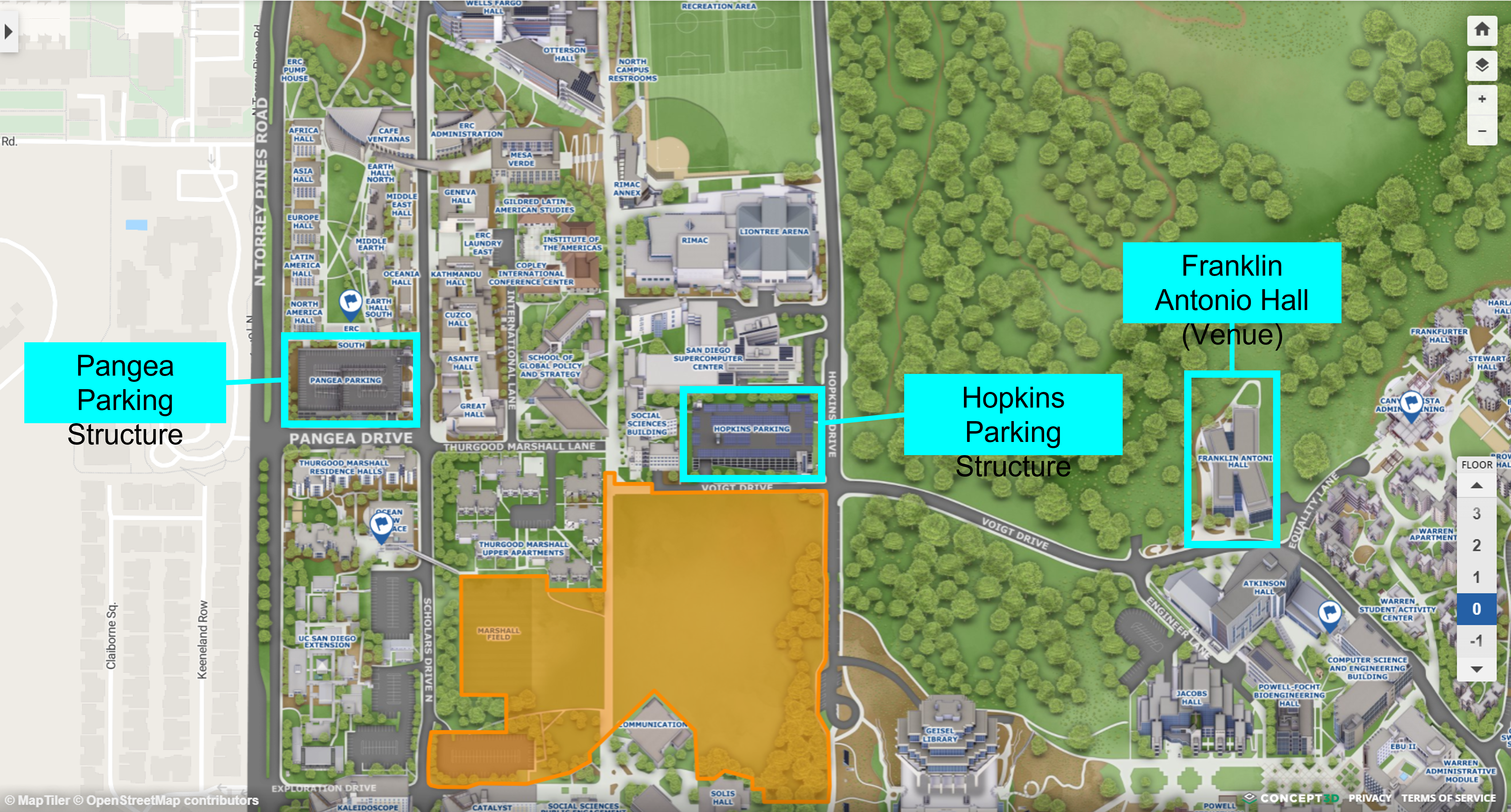
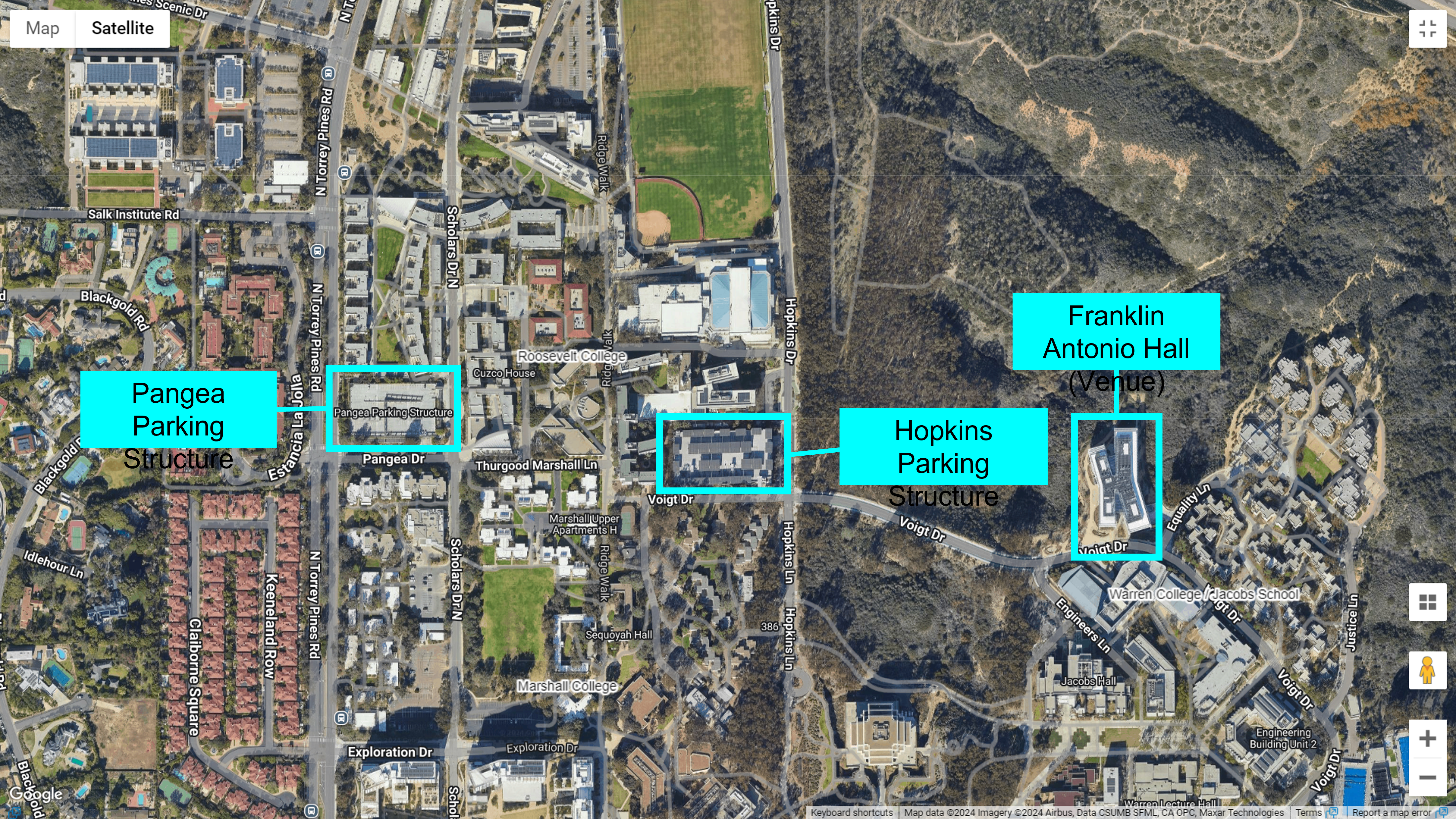
There are two structures available for parking near Franklin Antonio Hall: Hopkins and Pangea. The closest parking structure to the venue is Hopkins Parking Structure (view here or here), located on Voigt Dr. off of Hopkins Dr. If Hopkins is full, please go to Pangea Parking Structure (view here or here), located on Pangea Dr. off of N. Torrey Pines Rd. You may only park in B-spaces with your pre-purchased conference parking permit.
Click image below to see the parking structures and venue highlighted (from https://maps.ucsd.edu/map/default.htm):
Click image below to see the parking structures and venue highlighted on Google Maps (from https://act.ucsd.edu/maps/):
SPEAKERS AND ABSTRACTS
Dr. Jonathan Bray, Ph.D., P.E., NAE
Faculty Chair, Earthquake Engineering Excellence | University of California, Berkeley
Prof. Ishihara’s Contributions to the Evaluation of Liquefaction Effects
Abstract: N/A
Bio: Jonathan Bray, Ph.D., P.E., NAE is the Faculty Chair in Earthquake Engineering Excellence at the University of California, Berkeley. Dr. Bray is a registered professional civil engineer and has served as a consultant on important engineering projects and peer review panels. He has authored more than 500 research publications on topics that include liquefaction and its effects on structures, seismic performance of dams, earthquake ground motions and site effects, and earthquake fault rupture. He created and led the Geotechnical Extreme Events Reconnaissance (GEER) Association. Dr. Bray is a member of the U.S. National Academy of Engineering and has received honors such as the Seed Medal, Terzaghi Award, Ishihara Lecture, Peck Award, Middlebrooks Award, and Huber Research Prize.
Dr. Trevor Carey, Ph.D.
Assistant Professor, Civil and Mineral Engineering | University of Toronto
Beyond Triggering: Ground Motion Characteristics Governing Liquefaction-Induced Strain Accumulation During Crustal and Subduction Earthquakes
Abstract: Liquefaction assessments have traditionally focused on triggering; however, engineering performance is often governed by the accumulation of strain and deformation following triggering. Understanding these post-triggering processes remains challenging because ground motions with similar cyclic shear stress demand can produce substantially different deformation responses. This presentation examines liquefaction-induced strain accumulation using a series of recent dynamic centrifuge experiments subjected to recorded crustal and subduction earthquake ground motions. The testing program spans a range of ground motion durations, intensity measures, and waveform characteristics representative of different earthquake source types. Measurements of acceleration, excess pore water pressure, and deformation were collected throughout the soil profile using multiple instrumentation approaches, allowing direct linkages between ground motion characteristics, liquefaction response, and strain accumulation. Experimental results show that deformation is influenced not only by triggering, but also by the duration, intensity, and temporal characteristics of shaking. Comparisons between crustal and subduction motions highlight important differences in post-triggering response that are not captured by conventional triggering-based approaches. The findings provide new insights into the ground motion characteristics governing liquefaction-induced strain accumulation and support the development of improved procedures for evaluating liquefaction-induced deformation hazards during future earthquakes.
Bio: Trevor Carey is an assistant professor in the department of Civil and Mineral Engineering at the University of Toronto. He has degrees in Geotechnical Engineering (UC Davis, Ph.D. 2019), Structural Engineering (Oregon State University (OSU), M.S. 2014), and Civil Engineering (OSU, B.S. 2012). His interests and specialty are in geotechnical earthquake engineering, soil dynamics, and infrastructure performance from extreme events. He uses a multiscale approach leveraging case histories, experimental methods, numerical tools, and advanced data analytics to improve the resiliency of the built environment against the impacts of earthquakes and other extreme events. He was awarded the I.M. Idriss award for Excellence in Geotechnical Engineering from UC Davis and was selected as a graduate student fellow in earthquake hazard reduction by the Earthquake Engineering Research Institute.
Dr. Shideh Dashti, Ph.D.
Associate Chair for Administration, Department of Civil, Environmental and Architectural Engineering | University of Colorado Boulder
Mitigation of Seismic Liquefaction in Urban Settings and Stratigraphically Variable Sites
Abstract: The existing engineering methodologies for mitigation of seismic liquefaction rely on free-field triggering in uniformly layered granular soil deposits. These methods often do not evaluate performance, and they routinely ignore cross-layer interactions in realistically stratified deposits as well as soil-structure interaction (SSI) and structure-soil-structure interaction (SSSI) in urban settings. In this presentation, through an experimental-numerical-statistical study, we show that these methods are unreliable, jeopardizing our ability to assess and mitigate liquefaction vulnerability of our sites and structures. We performed fully-coupled, 3D, dynamic finite element analyses of free-field site response, seismic SSI, and SSSI in OpenSees. These simulations were calibrated and validated with element and centrifuge experiments. The influence of stratigraphic variability on mitigation efficacy is shown to be significant in terms of foundation settlement, tilt, spectral accelerations, and flexural drift. Physics-informed machine learning (ML) is subsequently used to identify the key predictors and predictive models for free-field ejecta potential and mitigated/non-mitigated ratio of isolated foundation settlement. The performance of mitigation is also shown to depend strongly on the dynamic properties of the neighboring structures and spacing in urban settings. Although settlements are generally reduced satisfactorily, the combination of SSSI, mitigation, and interlayering typically amplify asymmetrical deformations below the foundations (hence, permanent tilt) as well as column strains, particularly for an unmitigated neighbor. The results indicate that ground improvement must be designed with extreme care in urban settings and stratigraphically variable profiles.
Bio: Shideh Dashti is a Professor in Geotechnical Engineering and Geomechanics at the University of Colorado Boulder (CU) and the Associate Chair for Administration in the Department of Civil, Environmental and Architectural Engineering. Shideh obtained her undergraduate degree at Cornell University in 2004 and graduate degrees at the University of California, Berkeley in 2009. She worked briefly with ARUP and Bechtel on several engineering projects in the U.S. and around the world, spanning seismic design of underground structures, foundations, and slopes. Her research team at CU studies: the interactions and interdependencies among infrastructure systems during earthquakes and climatic extremes; seismic performance of underground structures; triggering, consequence, and mitigation of the liquefaction hazard at local and regional scales; impact of compound climatic-seismic hazards on geotechnical infrastructure; application of physics-informed machine learning to geotechnical earthquake engineering; and the intersection of resilience, environmental sustainability, and justice. She is the recipient of the 2018 Arthur Casagrande Award and the 2021 Walter Huber Civil Engineering Research Prize from ASCE as well as the 2025 Distinguished Lecture Award from EERI, among other recognitions.
Dr. Ahmed Elgamal, Ph.D.
Distinguished Professor, Department of Structural Engineering | University of California, San Diego
Seismic Response of Ground and Ground-Structure Systems: Insights from Computational Simulation
Abstract: Recorded earthquake motions provide key insights into the seismic response of ground and ground-structure systems. Calibrated by such records, computational frameworks are developed to explore the associated Ground response and Soil-Structure-Interaction (SSI) mechanisms. Using these frameworks, large ground-foundation-structure configurations are modeled, to highlight the importance and significance of system, and to conduct sustainability and resilience assessments.
Bio: Ahmed Elgamal holds the title of Distinguished Professor at the University of California, San Diego (UCSD). Earlier, he served as the UCSD School of Engineering Associate Dean for Faculty Affairs, and he chaired the Department of Structural Engineering. He received his PhD in 1985 from Princeton University. In 1997, he joined UCSD after a Post-doctoral appointment at the California Institute of Technology (CalTech), and Faculty positions at RPI and Columbia University in New York City.
His areas of research interest include large-scale soil-structure experimental and computational simulation, sustainability in Geomechanics, Information Technology (IT) applications, and system-identification procedures. He is author and co-author of over 300 Technical Publications. During 2010-2020, he served as Editor-in-Chief of the Journal Soil Dynamics and Earthquake Engineering. Over the years, has consulted and provided professional services in the general areas of Geomechanics and Geotechnical Engineering for a number of national and international organizations. Recently, he is honored to receive the 2025 American Society of Civil Engineers (ASCE) H. Bolton Seed Medal.
Dr. Kirk Ellison, Ph.D., F.ASCE
Associate Principal, Ground Engineering Leader | Arup
Seismic Structure-Soil-Structure Interaction Analysis for Below-Grade Infrastructure: Guidance for Screening, Analysis, Validation, and Peer Review
Abstract: Whether or not it’s accounted for during design, nearby above-and below-grade structures impact each other’s performance during strong ground shaking. Therefore, understanding and evaluating seismic structure-soil-structure interaction (SSSI) impacts is important for the resilience of our cities and the success of many of our projects. This is why seismic SSSI evaluations are now routinely required by many California agencies such as LA Metro, BART, San Francisco Public Utilities Commission, and Caltrans.
This presentation will discuss several examples of SSSI effects and introduce new guidance for screening, analysis, and model validations for SSSI impacts from new developments on existing underground infrastructure. In addition, case studies will be presented that touch on key SSSI considerations for buildings, rail stations, highways, and water infrastructure.
Bio: Kirk Ellison is an ASCE Fellow and Geotechnical Leader for Arup. He was recognized as the Outstanding Younger Civil Engineer by the ASCE San Francisco Section in 2018 for his contributions advancing the state of practice for seismic soil-structure interaction analysis on major rail, water and high-rise projects in the Bay Area. He also accepted international awards for the 181 Fremont Project in San Francisco, including the Outstanding Project Award from the Deep Foundations Institute and the Outstanding Tall Building Geotechnical Engineering Award from the Council for Tall Buildings and Urban Habitat.
Today, Kirk is a renowned expert in applying advanced soil mechanics and numerical modelling techniques to complex geotechnical problems across many sectors. He has published over 30 conference and journal papers. Some project highlights include the Salesforce Tower and 181 Fremont Tower projects in San Francisco, the Gerald Desmond Bridge in Long Beach, the Francis Scott Key Bridge replacement in Baltimore, the Silicon Valley Clean Water Gravity Pipeline in Redwood City, and the BART to Silicon Valley CP2 tunnel in San Jose.
Dr. Youssef Hashash, Ph.D., P.E., F.ASCE, NAE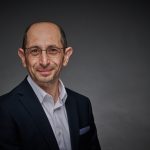
Professor, Grainger Distinguished Chair in Engineering, Department of Civil and Environmental Engineering | University of Illinois Urbana-Champaign
Modeling Seismic Site Effects and Soil-Structure Interaction: A 1D-to-3D Nonlinear Analysis Framework Including Liquefaction
Abstract: Reliable assessment of seismic risk of infrastructure requires an integrated understanding of nonlinear soil behavior, site effects, and soil-structure interaction (SSI). While one-dimensional (1D) nonlinear and equivalent linear site response analysis remains an essential prerequisite for evaluating ground motion, understanding complex seismic soil-structure interactions requires the use of advanced three-dimensional (3D) modeling approaches. This presentation will highlight developments in 1-D nonlinear site response analysis as a steppingstone to multidimensional soil structure interaction evaluation using accessible soil modeling capable of representing small strain nonlinearity all the way to liquefaction initiation. Several example applications will be presented including building tunnel interaction, response of nuclear power plant structures, buried water reservoirs, as well as liquefaction response using selected centrifuge and laboratory tests as well as field response measurements.
Bio: Professor Youssef Hashash holds a B.S., an M.S. and a Ph.D. (1992) in civil engineering from the Massachusetts Institute of Technology. He began his career with the PB/MK TEAM in Dallas on the Superconducting Super Collider Project and then Parsons Brinckerhoff in San Francisco working on underground construction projects in the U.S. and Canada including the Boston Central Artery/Tunnel project. He is a licensed professional engineer in California.
Professor Hashash joined the faculty of the Department of Civil and Environmental Engineering at the University of Illinois at Urbana-Champaign in 1998. He teaches courses and conducts research in Geotechnical Engineering, Numerical Modeling in Geomechanics, Geotechnical Earthquake Engineering, Tunneling in Soil and Rock, and Excavation and Support Systems. In addition, he also works on geotechnical and tunneling applications of deep learning, artificial intelligence, visualization, augmented reality, and imaging. He has published over 300 articles and is co-inventor on four patents. His research group developed the software program DEEPSOIL (now RSSeismic) that is used worldwide for evaluation of soil response to earthquake shaking. His work on seismic design of underground structures is extensively used in engineering practice.
Professor Hashash is a Fellow of the American Society of Civil Engineers (ASCE), a past president of the Geo-Institute of ASCE and has received several teaching, university and professional awards including the Presidential Early Career Award for Scientists and Engineers and the ASCE 2014 Peck Medal. He was elected to the National Academy of Engineering in 2022, one of the highest recognitions for engineers in the US.
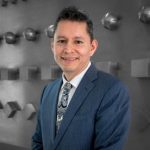 Dr. Juan Manuel Mayoral, Ph.D.
Professor, Institute of Engineering | Universidad Nacional Autónoma de México
Seismic Performance of Tunnel-Building-Bridge Systems in Urban Environments
Abstract: The Seismic performance of tunnels during earthquakes in densely populated areas requires assessing complex interactions with existing infrastructure such as bridges, metro stations facilities, and low- to medium-rise buildings. This has become more challenging because the distance between surface and underground structures has been shortened to optimize the urban environment functionality. This is even more important in transit transfer stations, which usually comprise tunnels, bridges, and buildings, in which wave propagation interference is exacerbated. Key insights gathered from instrumentation of actual structures and numerical parametric studies are presented. A metro station currently under construction, located near by a 5-story masonry building, was selected as a test site for seismic instrumentation. The site is in Mexico City, in the so-called hill zone, where very cemented sandy silt and silty sands is found. An arrangement of five accelerometers was deployed, to assess free-field, near-field, and building seismic response. Some of the results gathered from the seismic instrumentation after recording five low- to high-magnitude earthquakes from both interface and intraplate events are commented. Major findings of the parametric studies are also highlighted. Three-dimensional finite difference models were developed using the software FLAC3D. Initially, the static response of the tunnel was evaluated accounting for the excavation technique. Then, the seismic performance evaluation of the tunnel was carried out, computing ground deformations and factors of safety, considering soil nonlinearities. Good agreement was observed between predicted and observed damage during post-event site observations during actual earthquakes. Once the soundness of the numerical model was established, a numerical study was undertaken to investigate the effect of frequency content in tunnel-induced ground motion incoherence for tunnels built in cemented stiff soils, considering both intraplate and interplate earthquakes, to assess the effect of differences in their frequency content, duration, and intensity. Multiple scenarios were considered in the numerical study, and the relative distances among the structures were varied to investigate both detrimental and beneficial interaction effects, and to identify the zone of influence where this interaction leads to ground motion variability.
Dr. John S. McCartney, Ph.D., P.E., F.ASCE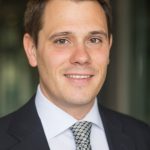
Professor, Hal Sorenson Endowed Chair, Department of Structural Engineering | University of California, San Diego
Geotechnical Seismic Isolation Using Tire Derived Aggregate
Abstract: This presentation will focus on the reuse of shredded tires with large particle sizes as an alternative lightweight backfill material in dynamic geotechnical applications. Tire derived aggregates (TDA) have the advantages of low unit weight, high shear strength, and high damping ratio, although they may be more compressible than most backfill soils. The presentation will summarize relevant properties of TDA with large particle sizes from a comprehensive laboratory testing program using large-scale tests, including uniaxial compression, internal shear strength, interface shear strength with different soils and concrete, cyclic shearing, and pullout of geosynthetic reinforcements. Tests from large-scale foundation loading tests will be compared with predictions of the bearing capacity using theories developed for granular materials. This information will be integrated to understand the use of TDA layers in providing seismic isolation for shallow foundations using shake table tests. Focus will be provided on the kinematic rocking and sliding responses. The presentation will conclude with the path forward to using TDA as a low-cost geotechnical seismic isolation approach in buildings and transportation infrastructure.
Bio: John McCartney is a Professor in the Department of Structural Engineering at the University of California San Diego and holds the Hal Sorenson Endowed Chair in the Jacobs School of Engineering. His research interests include unsaturated soil mechanics, geosynthetics engineering, and energy geotechnics. His research has been awarded the Prakash Award in 2025, the Quigley Award in 2020, the Huber Research Prize in 2016, and the Croes Medal in 2012. He is the vice chair of the ASCE GeoInstitute Committee on Energy Geotechnics. He is the co-Editor-in-Chief of Computers and Geotechnics and serves on the editorial boards of several other journals.
Dr. Gilberto Mosqueda, Ph.D., F.ASCE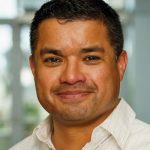
Professor, Department of Structural Engineering; Mervyn Lea (M. Lea) Rudee Endowed Chair in Jacobs School of Engineering; Director, Caltrans Seismic Response Modification Device (SRMD) Facility | University of California, San Diego
Performance of Ordinary Seismically Isolated Bridges Beyond Design Shaking
Abstract: Seismic isolation is widely used to improve bridge performance under design-level earthquake demands; however, system behavior under beyond-design-basis loading remains less understood. Current Caltrans design provisions for seismically isolated bridges consider the isolation system as the primary earthquake resisting system (ERS), supplemented by a secondary earthquake resisting system (SERS) intended to engage for beyond design loading prior to the isolation layer reaching critical limit states. The SERS can be in the form of ductile substructure columns designed to undergo controlled plastic hinging, thereby redistributing deformation demands and delaying isolation system failure. To investigate this interaction, a shake table experimental program was conducted on a quarter-scale, two-column reinforced concrete bridge bent equipped with lead rubber bearings and designed in accordance with Caltrans minimum design requirements. Throughout beyond design testing, the isolation system demonstrated stable hysteretic behavior, with peak shear strains in bearings limited due to interaction with the substructure. Following SERS activation, deformation demands and energy dissipation increasingly shifted to the columns that also maintained stable hysteretic response, while the isolation layer continued to dissipate energy at a reduced proportion. These results demonstrate that controlled column yielding can effectively limit isolation system demands and provide a stable load path under beyond design loading for collapse prevention. This design approach is being examined for more cost-effective and widespread implementation of seismic isolation in ordinary bridges.
Bio: Gilberto Mosqueda is a Professor in the Department of Structural Engineering and the Mervyn Lea (M. Lea) Rudee Endowed Chair in the Jacobs School of Engineering at the University at California, San Diego. Previously, he was on the faculty at the University at Buffalo. He received his Ph.D. from the University of California at Berkeley, M.S. from Massachusetts Institute of Technology, and B.S. from the University of California, Irvine, all in civil engineering. Professor Mosqueda is the Director of the Caltrans Seismic Response Modification Device Test Facility, testing full-scale seismic isolation and damping devices. Professor Mosqueda is the recipient of the NSF CAREER Award, the American Society of Civil Engineering Moisseiff Award, the Mexico College of Civil Engineering Jose A. Cuevas Award, and a Fellow of ASCE.
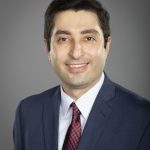 Dr. Ramin Motamed, Ph.D., P.E.
Professor, Department of Civil and Environmental Engineering | University of Nevada, Reno
Liquefaction Beyond Triggering: What Medium- and Large-Scale Experiments Reveal About Soil–Foundation System Response
Abstract: Liquefaction assessment in engineering practice has traditionally focused on triggering criteria, often with limited consideration of the complex post-triggering mechanisms governing soil deformation and foundation performance. While simplified procedures and numerical models have advanced over recent decades, important aspects of liquefaction-induced system response remain insufficiently understood due to the scarcity of high-quality experimental data at large physical scales.
This presentation synthesizes findings from a series of medium- and large-scale 1g shake table experiments conducted over the past decade to investigate the response of shallow foundations and mitigation systems in liquefiable soils. The experimental studies include tests on untreated and improved ground conditions subjected to varying seismic loading characteristics and foundation configurations. Emphasis is placed on mechanisms that are difficult to capture using conventional laboratory element tests or simplified analytical procedures such as surface manifestation and soil ejecta.
Results demonstrate that liquefaction triggering alone is often insufficient for evaluating seismic performance, as similar triggering conditions may lead to different deformation and settlement outcomes. The experiments further highlight the important role of physical modeling in revealing system-level response mechanisms and in supporting validation of advanced numerical simulations and performance-based engineering approaches.
The presentation concludes with a discussion of unresolved challenges in liquefaction engineering and opportunities for integrating large-scale experimental observations into future design methodologies and seismic performance assessment frameworks.
Bio: Dr. Ramin Motamed is a Professor in the Department of Civil and Environmental Engineering at the University of Nevada, Reno. His research focuses on geotechnical earthquake engineering, including large-scale shake table testing, liquefaction and its mitigation, nonlinear site response, and soil–foundation–structure interaction. He has led numerous federally sponsored and industry-supported research projects in these areas, with particular emphasis on experimental investigation and validation of seismic soil–structure response mechanisms.
Dr. Motamed currently serves on the editorial board of the ASCE Journal of Geotechnical and Geoenvironmental Engineering and as Secretary of the ASCE Geo-Institute’s Earthquake Engineering and Soil Dynamics Committee. He received his Ph.D. from the University of Tokyo, where his doctoral research focused on pile foundations in liquefiable soils using shake table tests. Prior to joining academia, he worked as a Senior Engineer with Arup in San Francisco on major infrastructure and seismic engineering projects. He is a registered Professional Engineer in California and Nevada.
Dr. Chukwuebuka (Buka) C. Nweke, Ph.D.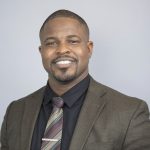
Assistant Professor, Sonny Astani Department of Civil and Environmental Engineering | University of Southern California
Sustainable Ground Improvement Under Seismic Loading: Experimental Insights and Probabilistic Modeling of Biocemented Sands
Abstract: As the geotechnical community moves toward sustainable alternatives to Portland cement–based ground improvement, biocementation has emerged as one of the most promising bio-mediated techniques for stabilizing problematic soils and enhancing their resistance to seismic loading. Despite this promise, adoption in performance-based design remains limited because both the experimental practices used to characterize biocemented soils and the predictive models used to design with them fail to represent realistic field conditions. Most laboratory studies induce calcium carbonate precipitate in unconfined specimens before applying confining stress, a sequence that does not replicate the in-situ stress state during treatment, while the reference-strain models routinely used to estimate shear modulus reduction are calibrated almost exclusively on uncemented soils. Our research addresses both shortcomings in parallel. On the experimental side, we developed a custom resonant column device that enables enzyme-induced carbonate precipitation and dynamic testing under controlled confinement without specimen disturbance, revealing that the stress state during precipitation governs bond microstructure and the resulting dynamic response, just as strongly as the amount of calcite produced. On the modeling side, we are developing a Bayesian framework that infers the reference shear strain and its cementation-induced shift from measurable inputs such as cement content, confining stress, density, and gradation, while quantifying the uncertainty in each prediction. By linking microstructural evidence from realistic treatment conditions to a probabilistic prediction framework, this work aims to provide a foundation for the performance-based use of biocemented ground in seismic geotechnical applications.
Bio: Dr. Chukwuebuka (Buka) Nweke is an Assistant Professor of Civil and Environmental Engineering at the University of Southern California, Viterbi School of Engineering. He directs the N.E.S.T Research Group where his research is focused on solving problems at the intersection of geotechnical engineering, earthquake engineering, seismology, and geomorphology. Some of his investigation topics include: characterizing sedimentary basin effects in earthquake hazards, evaluation of physics-based earthquake simulations for the purposes of analyzing associated hazards and improving infrastructure resilience, and investigating the mechanical behavior (static and dynamic) of bio-cemented soils in order to establish sustainable alternatives for hazard mitigation.
Prof. Nweke earned his Ph.D. and M.S in Civil (Geotechnical) and Environmental Engineering at the University of California, Berkeley, and his B.S in Civil and Environmental Engineering at the University of California, Davis. After completion of his graduate studies, Professor Nweke was an NSF-AGEP Postdoctoral Research Fellow in the Civil and Environmental Engineering department at the University of California, Los Angeles. Prior to his current position, he was a practicing engineering consultant for ENGEO, a geotechnical and environmental engineering firm.
Dr. Renmin Pretell, Ph.D.
Assistant Professor, Department of Civil and Environmental Engineering | University of Nevada, Reno
Liquefaction Effects on Ground Motions
Abstract: Liquefaction assessment is a critical component of seismic design of infrastructure. Commonly, factors of safety against liquefaction triggering (FSliq) are used to assess the liquefaction potential, where liquefaction is expected if FSliq is lower than one. For this condition, ground motions are commonly believed to be damped out or not fully propagated to the ground surface, essentially leading to ground motion de-amplification. However, dilation spikes can instead lead to ground-motion amplification. Whether soil liquefaction leads to ground motion amplification or de-amplification depends on several factors, including the soil’s relative density, depth and thickness of the layer experiencing liquefaction, ground motion characteristics, and the period range of interest. This talk will share results from a numerical study and a consistency assessment against experimental data and ground motion recordings from borehole array sites.
Bio: Renmin Pretell is an Assistant Professor of geotechnical engineering in the Department of Civil and Environmental Engineering at the University of Nevada, Reno. He received his Ph.D. and M.S. from the University of California, Davis, and his B.S. from the National University of Engineering in Peru. Before joining UNR, Renmin was a postdoctoral scholar with the Garrick Institute for the Risk Sciences (GIRS) at the University of California, Los Angeles. He worked with Golder Associates at its offices in Lima, Peru and Denver, CO, focused on tailings dam projects. Renmin’s research aims to advance the performance assessment of geotechnical systems and infrastructure by integrating data, numerical simulations and analytics. His research interests include seismic site response and ground motions, soil liquefaction, and mine tailings.
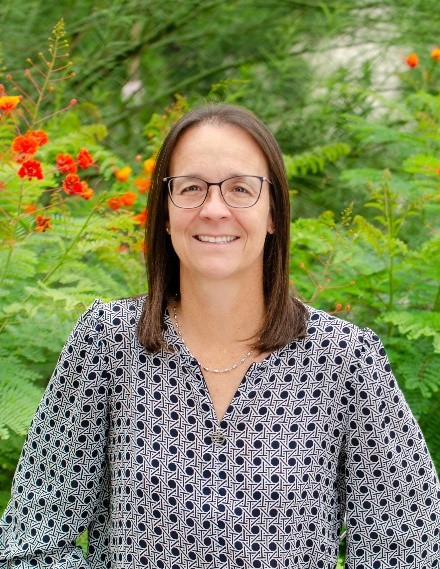
Dr. Ellen Rathje, Ph.D., P.E., F.ASCE, NAE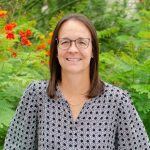
Janet S. Cockrell Centennial Chair in Engineering, Fariborz Maseeh Department of Civil, Architectural, and Environmental Engineering | University of Texas, Austin
Induced Seismicity in Texas: Ground Motions and Seismic Risk
Abstract: Seismicity in Texas has increased significantly over the last 20 years; more than 1200 earthquakes with M > 3 have occurred since 2017, including 7 events with M > 5. The Texas Seismological Network was established in 2015 to monitor seismicity in Texas and perform research to better understand the potential causes and impacts of earthquakes in Texas. This presentation will summarize the TexNet seismic hazard and risk research performed over the last 10+ years. Seismic hazard assessment starts with seismicity rates and ground motion models. The approaches developed to predict seismicity rates as a function of operational parameters (e.g., injection rates) will be presented, as they provide a mechanism to forecast seismicity for different injection scenarios. Empirical ground motion models will be described that incorporate over 12,000 ground motion recordings across the induced seismicity regions of Texas, Oklahoma, and Kansas. These ground motion models also take advantage of a statewide Vs30 map that incorporates Vs30 measurements and geologic proxies based on geologic age and general rock/soil type. Finally, ground motions from the region are used to investigate the potential to cause damage to earth dams through the development of seismic demand and fragility models.
Bio: Dr. Ellen M. Rathje is the Janet S. Cockrell Centennial Chair in Engineering in the Fariborz Maseeh Department of Civil, Architectural, and Environmental Engineering and a Senior Research Fellow at the Bureau of Economic Geology at the University of Texas at Austin. She is an expert in the areas of engineering seismology, seismic ground response, and earthquake-induced ground failure. Dr. Rathje is the current President of the Earthquake Engineering Research Institute and she is a founding member and previous Co-Chair of the Geotechnical Extreme Events Reconnaissance (GEER) Association. She leads the DesignSafe cyberinfrastructure that supports research in natural hazards engineering. She has been honored with the 2022 Peck Lecture Award from the ASCE Geo-Institute, the 2018 William B. Joyner Lecture Award from the Seismological Society of America and the Earthquake Engineering Research Institute. She was elected the National Academy of Engineering in 2025.
Dr. José I. Restrepo, Ph.D.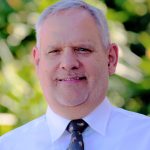
Director of Research & Development | Nabih Youssef & Associates
Building Response to Six-Component Ground Motion Input
Abstract: The
Two high-definition seismic stations, located 30 m apart and within 1 km of the fault rupture, recorded the near-field motions of the 6 February 2023 Mw 7.8 Kahramanmaraş–Pazarcık earthquake. For the first time, near-fault rotational ground-motion components—pitch, roll, and yaw—derived from a major earthquake are estimated and used as inputs to nonlinear response-history analyses of 3D reinforced-concrete building models. The case studies show that rotational components increase key engineering response parameters. These findings underscore the importance of measuring and incorporating rotational ground-motion effects in seismic design codes and guidelines to better mitigate the vulnerability of structures near active faults.
Bio: José I. Restrepo pairs visionary leadership with a track record of delivering measurable impact on earthquake engineering and seismic design. As NYA’s Director of Research & Development, he builds on more than three decades of pioneering academic work and industry collaboration. Previously, Dr. Restrepo held professorships at the University of California, San Diego; the University of Canterbury, New Zealand; and the ROSE School, Italy, where he guided graduate talent and led internationally funded research initiatives. Most notably, he served as Principal Investigator for the NSF-funded Large High-Performance Outdoor Shake Table (LHPOST)—the world’s largest and most powerful earthquake-simulation facility by many metrics— shepherding the project from concept through commissioning and conducted several landmark tests on it.
As a scholar, Dr. Restrepo has authored papers on performance-based seismic design (PBSD), seismic response of high-rise buildings, forensic collapse assessment, seismic isolation, and other advanced response-modification strategies. He played a key role in advancing nonlinear response-history analysis techniques for critical structural components, including core walls, diaphragms, and systems involving soil–structure interaction. His technical expertise directly informed the development of PBSD guidelines and standards for bridges and AASHTO seismic hazard maps, and container wharves (ASCE-COPRI). He was also a member of ACI Subcommittee 318R during the 2014-2019 cycle and has been an active member of ACI Committees 319 (Precast Concrete Code), 374 (Performance-based seismic design), and 550 (Precast Concrete).
Dr. Restrepo’s contributions have been recognized by the field’s top honors, including the ACI Chester Paul Siess Award; PCI’s Charles C. Zollman and Martin Korn Awards; the FHWA James Cooper Award; and ASCE’s Charles Pankow and Alfred Noble Awards— underscoring the real-world value and lasting influence of his work.
Dr. Adrian Rodriguez-Marek, Ph.D.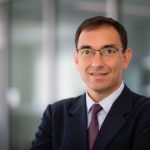
Professor, Charles E. Via, Jr., Department of Civil and Environmental Engineering; Director, Center for Geotechnical Practice and Research | Virginia Tech
Epistemic Uncertainty in Site Response
Abstract: Estimates of site response are an important component in the estimation of earthquake induced ground motions. These estimates can be made via proxy methods, such as the use of VS30 in ground motion prediction equations, or via analytical approaches, such as one-dimensional (1D) site response. The latter require the knowledge of a shear-wave velocity profile and the dynamic properties of the soils that make up the profile. These data carry measurement uncertainty, which is propagated to the uncertainty in site effects estimates. In addition, the methods used for analytical estimates of site response have their own modeling uncertainty. This presentation discusses approaches to estimate the uncertainty in site response estimates, as well as efforts made to quantify the modeling uncertainty for 1D site response analyses. The focus is on approaches used in seismic hazard analyses for nuclear sites, but the lessons learned have application in every-day engineering practice.
Bio: Dr. Adrian Rodriguez-Marek obtained his B.S. and M.S. in Civil Engineering from Washington State University, and his Ph.D. from U.C. Berkeley in 2000 working under the guidance of Prof. Jonathan Bray. After getting his Ph.D. in August 2000 Adrian went back to WSU as an Assistant Professor. He stayed at WSU until 2010 when he moved to Virginia Tech where he is now a professor in the Civil and Environmental Engineering Department. Dr. Rodriguez-Marek’s research is in the general area of geotechnical earthquake engineering. He has led NSF-funded reconnaissance teams to study the geotechnical aspects of three separate earthquakes (2001 Southern Peru; 2003 Colima, Mexico; and 2007 Pisco, Peru earthquakes). These reconnaissance efforts included the evaluation of earthquake damage to water dams and tailing dams. He has also made contributions to the engineering characterizations of ground motions in general and near-fault ground motions in particular.
Dr. Rodriguez-Marek has been a leading developer of non-ergodic seismic hazard analysis, an approach that enables a more rigorous treatment of uncertainty in ground-motion predictions for hazard applications. His research on single-station standard deviation has been applied in multiple seismic hazard assessments for nuclear power plants. In addition, he has served as a consultant on several high-profile projects, including the seismic hazard and risk assessment for the Groningen Gas Field and seismic hazard assessments for nuclear power plants in South Africa, Spain, Slovakia, Poland, and the United States.
Dr. Rodriguez-Marek’s scholarly output includes more than 80 peer-reviewed journal articles and 50 conference papers, as well as numerous technical reports on seismic hazard assessment. He has advised or co-advised thirteen Ph.D. students and has served as an external examiner on numerous doctoral committees in France, Germany, India, and New Zealand. His honors include the 2021 Outstanding Paper Award from the Earthquake Engineering Research Institute, the 2013 Shamsher Prakash Research Award, and the 2024 Collingwood Prize from ASCE. Dr. Rodriguez-Marek is a past Chair of the Soil Dynamics and Earthquake Engineering Committee of the ASCE Geo-Institute, currently serves as an Editor of the Journal of Geotechnical and Geoenvironmental Engineering, and is a past Associate Editor of several journals, including Earthquake Spectra and the Bulletin of the Seismological Society of America.
Dr. Kenichi Soga, Ph.D.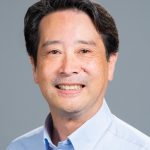
Distinguished Professor, Donald H. McLaughlin Chair, Civil and Environmental Engineering; Director, Berkeley Center for Smart Infrastructure; Faculty Scientist, Lawrence Berkeley National Laboratory | University of California, Berkeley
Preparing for the Next-Next Big Earthquake
Abstract: In September 2015, at the Yokohama National University Campus, Professor Yozo Fujino (Professor Emeritus, University of Tokyo) and I organized a symposium titled “Challenges in Geotechnical Engineering from the Perspective of Risk Coexistence.” We invited eleven leading Japanese professors in geotechnical engineering to present lectures focused on the theme of risk in this field. Professor Ishihara was one of the speakers and delivered a presentation entitled “Preparing for the Next-Next Big Earthquake.” He emphasized that there is currently an inadequate observational network capable of monitoring the behavior of shallow soft ground layers in coastal and riverside areas, where many of Japan’s industries and facilities are situated, during major earthquakes. He stressed the urgent need to install seismometers, displacement meters, and pore-water pressure gauges within soft ground deposits. The observational records obtained during future major earthquakes through such instrumentation will help clarify the seismic behavior of important industrial facilities built on soft ground and will play an important role in advancing earthquake engineering. Professor Ishihara concluded “we should keep firmly in mind (kimo-ni-meijiru) that the earthquake engineering technologies verified through such field measurements in the next earthquake are the only ones that are truly effective in the next-next major earthquakes”. This talk will build upon Professor Ishihara’s important insights and emphasize the critical role of sensing and monitoring in developing resilient infrastructure for our society.
Bio: Kenichi Soga holds the Donald H. McLaughlin Chair and is a Distinguished Professor of Civil and Environmental Engineering at UC Berkeley. He serves as the Director of the Berkeley Center for Smart Infrastructure and is also a faculty scientist at Lawrence Berkeley National Laboratory. His research focuses on infrastructure sensing and modeling, performance-based design and maintenance of infrastructure, energy geotechnics, and geomechanics from micro to macro. He has published over 600 journal and conference papers and co-authored the book “Fundamentals of Soil Behavior” with Professors James K. Mitchell and Catherina O’Sullivan. He is a member of the National Academy of Engineering and a fellow of the UK Royal Academy of Engineering, the Institution of Civil Engineers (ICE), the American Society of Civil Engineers (ASCE), and the Engineering Academy of Japan.
Dr. Jonathan P. Stewart, Ph.D.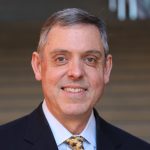
Sabol-Scott Professor, Civil & Environmental Engineering | University of California, Los Angeles
Revisiting Valley of Mexico Seismic Site Response
Abstract: For many years, design ground motions in Mexico City have been developed using a ground motion model (GMM) for a reference site combined with linear transfer functions between that reference site and different locations within the Valley of Mexico. This modeling approach is distinct from how ground motions are developed elsewhere in Mexico. We present an alternative in which a regionally-calibrated GMM for subduction zone earthquakes can be applied throughout Mexico including the Valley of Mexico, which is combined with a subregional site response model that accounts for the unique Lake Texcoco geology. The site response model was derived using ground motion data from 89 sites within the Valley of Mexico and uses VS30 and soft soil depths as independent variables. The model predicts far greater levels of site response than those provided by global ergodic models, and notably, larger site response than prior Mexico City models. A notable feature of the updated site response model is incorporation of nonlinearity for high-frequency ground motions. The provided models afford the opportunity to improve upon current practice because the reference GMM applies across Central America and Mexico, VS30 and depth are used in lieu of site classes, and nonlinearity is incorporated.
Bio: Jonathan P. Stewart’s is the Sabol-Scott Professor of Civil & Environmental Engineering at the UCLA Samueli School of Engineering. His technical expertise is in geotechnical engineering, earthquake engineering, and seismology. He works on problems related to hazard characterization and infrastructure response to those hazards.
 Dr. Ikuo Towhata, Ph.D.
Professor Emeritus | University of Tokyo
My Thoughts on 2025 Mandalay Earthquake in Myanmar and the Observed Fault Rupture
Abstract: I visited the affected sites in June 2025, which was about two months after the earthquake. It was found that the RC buildings in Myanmar have structural weakness in the ground floor where there are few stable walls. The collapse of the lower floor led to the collapse of the entire structure and resulted in numerous casualties. The rupture of the Sagaing Fault was of right-lateral strike-slip type without a recognizable vertical component. The fault-induced damage of structures was limited within, say, ten meters from the surface manifestation of the dislocation and indicated that there was no exceptionally strong ground shaking near the fault. It is not easy to discuss the possibility of a supershear rupture mechanism because of the shortage of earthquake observation network but the high-rise building damage in Bangkok was not the consequence of a super-shear mechanism but the result of long-period amplification of the ground motion in a soft soil deposit.
Bio: Ikuo Towhata was a professor of civil engineering at the University of Tokyo until 2015. After 2015, he has been working for private sectors together with several engineering/academic societies, including the Japanese Geotechnical Society as the president and the Int. Soc. Soil Mech. Geotech. Engg. as a vice president. His recent interests lie in geotechnical earthquake engineering, mitigation of slope disasters and the engineering perspective of tectonic action of the earth crust. He has authored more than 500 academic papers in international journals and conferences together with three books entitled ‘Geotechnical Earthquake Engineering’ (2008, Springer), ‘Coseismic landslides: phenomena, long-term effect and mitigation’ (with 17 coauthors with three coeditors, 2022, Springer) and ‘Slope Monitoring for Early Warning of Rapid Landslides – Mitigating Rainfall-induced Disasters -’ (2026, CRC Press), respectively. He was the Ishihara Lecture of TC203, ISSMGE, in 2019, and the 2026 Burmister Lecturer of the Columbia University.
Dr. Yoshimichi Tsukamoto, Ph.D.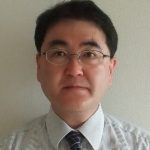
Professor, Department of Civil Engineering | Tokyo University of Science
Developments in Soil Liquefaction Engineering Achieved with Prof. Ishihara During the Last 30 Years
Abstract: The author has worked together with Professor Ishihara during the last 30 years on many research topics associated with soil liquefaction. In this presentation, some of the main developments achieved through laboratory testing and field observations are presented, including (a) characterising the undrained shear strength of fines-containing sands, (b) characterising the post-liquefaction settlement of fines-containing sands, (c) evaluating the liquefaction resistance of imperfectly saturated sands, (d) characterising the penetration resistance of SWS tests for estimating the liquefaction resistance and undrained shear strength of fines-containing sands.
Bio: Yoshimichi Tsukamoto graduated from the University of Tokyo in 1990 and received his Ph.D. from University of Cambridge in 1995. He then moved to Tokyo University of Science (TUS) as a research associate in 1995, where he became a full professor in 2012. He has devoted his research career mainly to the subject of soil liquefaction, including laboratory testing and field case history studies from recent major earthquakes in Japan. He has been associated with Professor Ishihara who moved to TUS in 1995 and continued to work together on many research projects until recently.
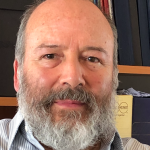 Dr. Ramon Verdugo, Ph.D.
Founding Partner | Caracterización y Modelamiento Geotécnico Ingenieros (CMGI Ltda.)
Undrained Triaxial Tests with Stepwise Volumetric Strain Applications
Abstract: To evaluate the critical state line (CSL) of sandy soils in the laboratory with a high degree of confidence, typically is required more than four or six undrained tests to reliably establish the CSL in the e-p’ and q-p’ planes. To address this efficiency challenge, this study proposes a new procedure that captures multiple CSL data points using a single specimen. Referred to as the “void ratio-controlled test,” this method consists of several steps where
the undrained condition is briefly bypassed. This short interruption allows the specimen to undergo a pre-established volume change, effectively altering its void ratio for subsequent testing phases.
Bio: Civil Engineer from the Catholic University of Chile (1983), holding a Master and Ph.D. from the University of Tokyo, Japan (1989 and 1992, respectively). He completed a postdoctoral fellowship at the Norwegian Geotechnical Institute (1996). He has served as Director, Secretary, and President of the Chilean Geotechnical Society (Sochige). Following the mega-seismic event of magnitude Mw = 8.8 that hit Chile in February 2010, he led the team of professionals that modified the seismic site classification in Chilean regulations. He served as the Chair of Technical Committee TC221 (Tailings and Mine Waste) of the International Society for Soil Mechanics and Geotechnical Engineering. He is a founding partner of the Chilean geotechnical engineering consulting firm CMGI Ltda. (Caracterización y Modelamiento Geotécnico Ingenieros), which addresses complex geotechnical problems, especially those associated with the seismic stability of soil structures in civil, industrial, and mining projects.
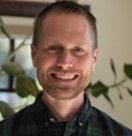 Dr. Albert Kottke, Ph.D., P.E., has over 16 years of experience in site response and earthquake ground motions. He spent five years at Bechtel Corporation developing site-specific ground motions for nuclear facilities and supporting soil-structure-interaction analyses. Since 2017, he has been a Principal in PG&E’s Geosciences Department, where he advances ground motion modeling and seismic risk assessment. As a consultant, he has contributed to seismic evaluations for various critical facilities, including Columbia River Generating Station, Idaho National Laboratory, and Los Alamos National Laboratory. He also authors and maintains computer programs such as Strata, pyStrata, pygmm, and pyrotd.
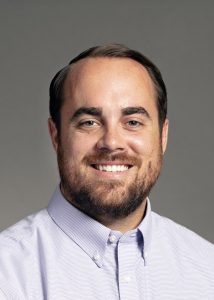

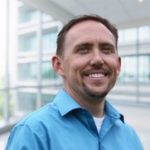
 Sami Megally, Ph.D., P.E., S.E. and Keith Gazaway, P.E.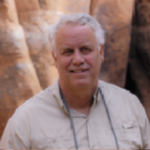
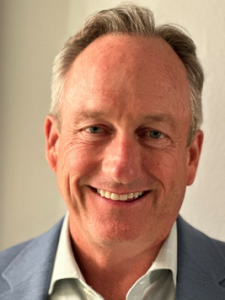
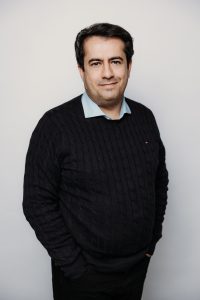
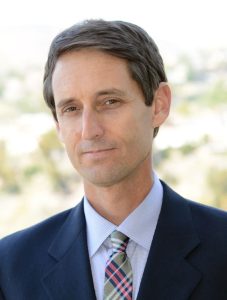
 Chris Smith and Ehsan Dezhdar
 Rui Chen is a Senior Seismologist with the California Geological Survey (CGS), where she has served since 2008. Her expertise includes ground motion hazard analysis to support CGS’ regulatory liquefaction and earthquake induced landslide hazard mapping program, as well as the review of geotechnical investigations for critical facilities such as hospitals, schools, and nuclear installations. She conducts research on probabilistic fault displacement hazard analysis, including the development of fault displacement and rupture probability models. She also contributes to statewide earthquake shaking potential maps and earthquake loss estimation for California. Rui Chen holds a Ph.D. in Civil and Geological Engineering from the University of Manitoba, Canada, and M.S. and B.S. degrees in earthquake sciences from institutions in China. She is a licensed Professional Engineering Geologist in California and has over three decades of experience in academia, consulting, and applied geosciences.
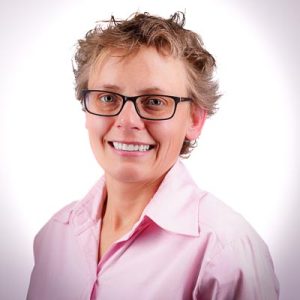 Alexandra Sarmiento is a seismic hazard analyst at GeoPentech, Inc. and a researcher at the University of California, Los Angeles (UCLA) with 15 years of experience in consulting practice and academia. Her expertise includes seismic source characterization, ground motion hazard analysis, ground motion development, and fault rupture and displacement hazard analysis. Alexandra is part of the Fault Displacement Hazard Initiative (FDHI) research project at UCLA, where she led the development of a new, high-quality database of mapped surface ruptures and fault displacement measurements. She also led a comprehensive technical comparison of new and existing fault displacement models. Alexandra has B.S. and M.S. degrees in Geological Engineering and Geology, respectively, from the University of Nevada, Reno and is registered in California as a Professional Engineer, Professional Geologist, and Certified Engineering Geologist.
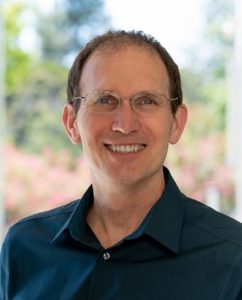 Stephen Thompson is a Senior Principal Engineering Geologist at Lettis Consultants International, Inc. (LCI) where he specializes in the characterization of active faults for hazard evaluation. Since completing his PhD in Geological Sciences at the University of Washington in 2001, Steve has been trying to provide clients and colleagues with useful information to help quantify and mitigate the hazards of surface-fault rupture and strong ground shaking. Steve spends much of his time trying not to be overwhelmed by the uncertainties—real and imagined—involved in fault source characterization for seismic hazard analysis (PSHA and DSHA) and fault displacement hazard analysis (PFDHA and DFDHA). Being able to effectively communicate with engineers keeps him up at night.