
8th Kenji Ishihara Colloquium Series on Earthquake Engineering | Short Course
Advanced Tools for Site Response Analysis | A One-Day Short Course
September 9th, 2026
9am-5pm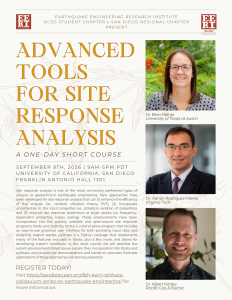
University of California, San Diego
Franklin Antonio Hall 1301
Join us for the 8th Kenji Ishihara Colloquium Series on Earthquake Engineering, hosted by the EERI UCSD Student and San Diego Regional Chapters. This year’s colloquium will consist of a one-day short course on September 9th about Advanced Tools for Site Response Analysis featuring Professor Ellen Rathje, Dr. Albert Kottke, and Professor Adrian Rodriguez-Marek, followed by a lineup of notable speakers on September 10th & 11th covering topics in tribute to the late Professor Kenji Ishihara.
Site response analysis is one of the most commonly performed types of analysis in geotechnical earthquake engineering. New approaches have been developed for site response analysis that can (1) enhance the efficiency of the analysis (i.e., random vibration theory, RVT), (2) incorporate uncertainties in the input properties (i.e., statistical variation of properties), and (3) improve site response predictions at larger strains (i.e., frequency-dependent properties, kappa scaling). These advancements have been incorporated into the publicly available and open-source site response programs Strata and pyStrata. Strata is a stand-alone program that includes an easy-to-use graphical user interface for both providing input data and analyzing output results. pyStrata is a Python package that implements many of the features included in Strata, plus a few more, and allows for developing custom workflows. In this short course, we will describe the recent advancements listed above, explain their incorporation into Strata and pyStrata, and provide live demonstrations and hands-on exercises. Example applications of these approaches will also be presented.
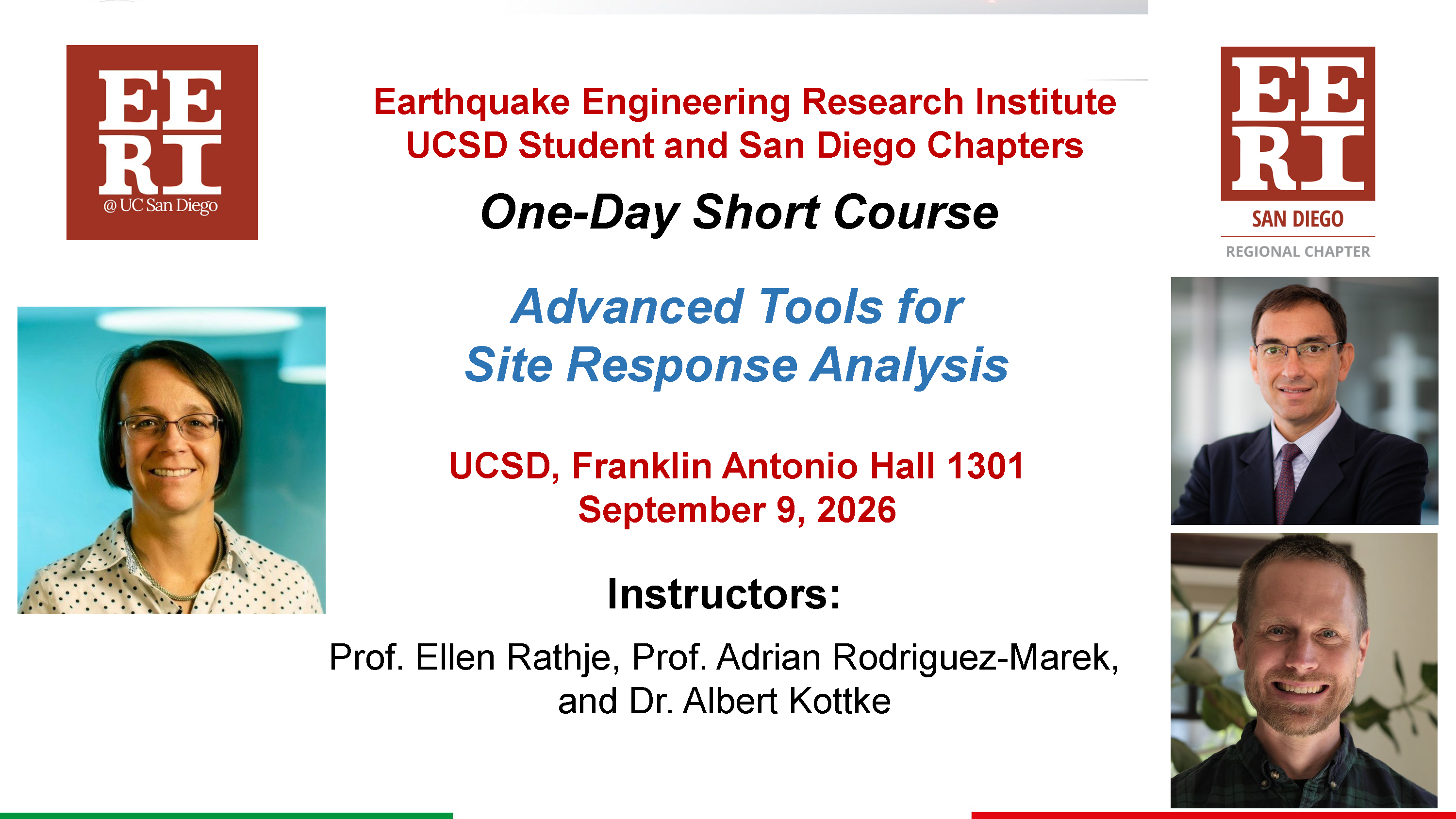
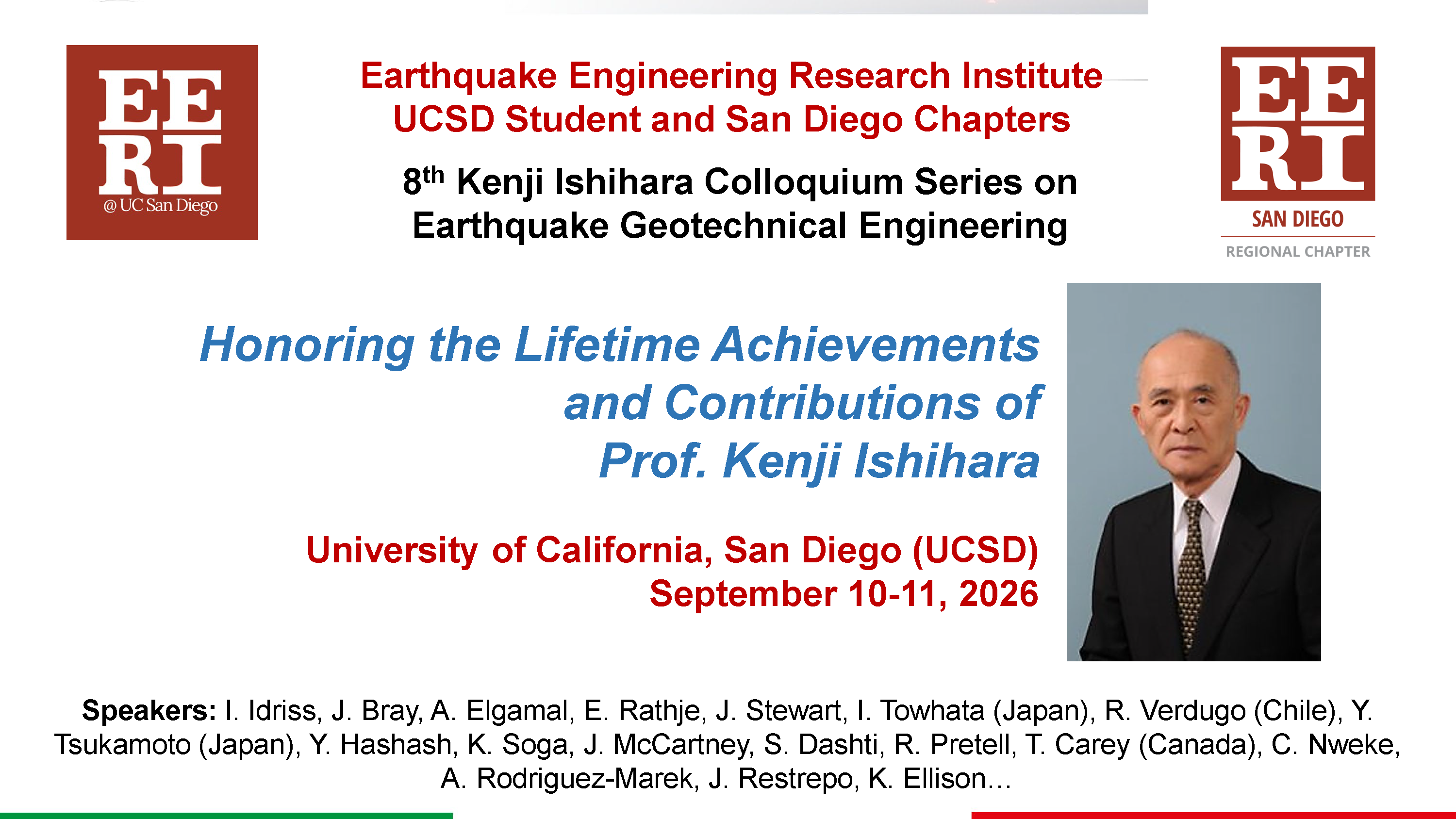
Click the images to the above-right and below to view the event flyer and announcement slides, respectively.
PROGRAM
| Time | Topic/Speaker | |
|---|---|---|
| 9:00am | 9:30am | Welcome and Introduction |
| 9:30am | 10:15am | Welcome and Overview of Program |
| 10:15am | 10:45am | Random Vibration Theory (RVT) Site Response |
| 10:45am | 11:15am | Break |
| 11:15am | 12:30pm | Strata Demonstration and Hands-On Exercises |
| 12:30pm | 1:30pm | Lunch |
| 1:30pm | 2:00pm | pyStrata Demonstration |
| 2:00pm | 2:45pm | Example Strata Analysis of Site in California |
| 2:45pm | 3:15pm | Break |
| 3:15pm | 4:00pm | Advanced Framework for Site Response Analysis |
| 4:00pm | 4:45pm | Capturing Large Strain Site Response in 1D Analysis |
| 4:45pm | 5:00pm | Wrap-Up and Q&A |
VENUE
University of California, San Diego
Franklin Antonio Hall 1301
3180 Voigt Drive
La Jolla, CA 92093
REGISTRATION
Click here to register for the short course. Early bird registration will be available through 8/10/2026. You will be prompted to register into your my.eeri.org account when you click the blue “Register to Attend” button on the registration page. If you do not have an EERI account, use the “Sign Up” button to create one. We strongly recommend each registrant create an individual EERI account to ensure all communications—including receipts and PDH credits—are received. Accepted payment methods are credit card (MasterCard, Visa, Discover) and ACH. If you need to pay by wire transfer, please contact eeri@eeri.org.
LODGING
Click here for a list of hotels near UCSD.
PARKING
For $8 per day, conference parking permits are available in advance through UCSD’s Parking Portal website, which you can access by clicking here. In order to purchase a parking permit, you will need to create an account. When you click on the aforementioned link, it should show a “Guest User Registration” form. Otherwise, click on “SIGNUP” in the upper right corner of the webpage. Once you fill out the form and create an account, follow the prompts to purchase your conference parking permit for the days you will be attending the colloquium.
You can also pay for parking through the ParkMobile app or website the day(s)-of the colloquium series. More information can be found here.
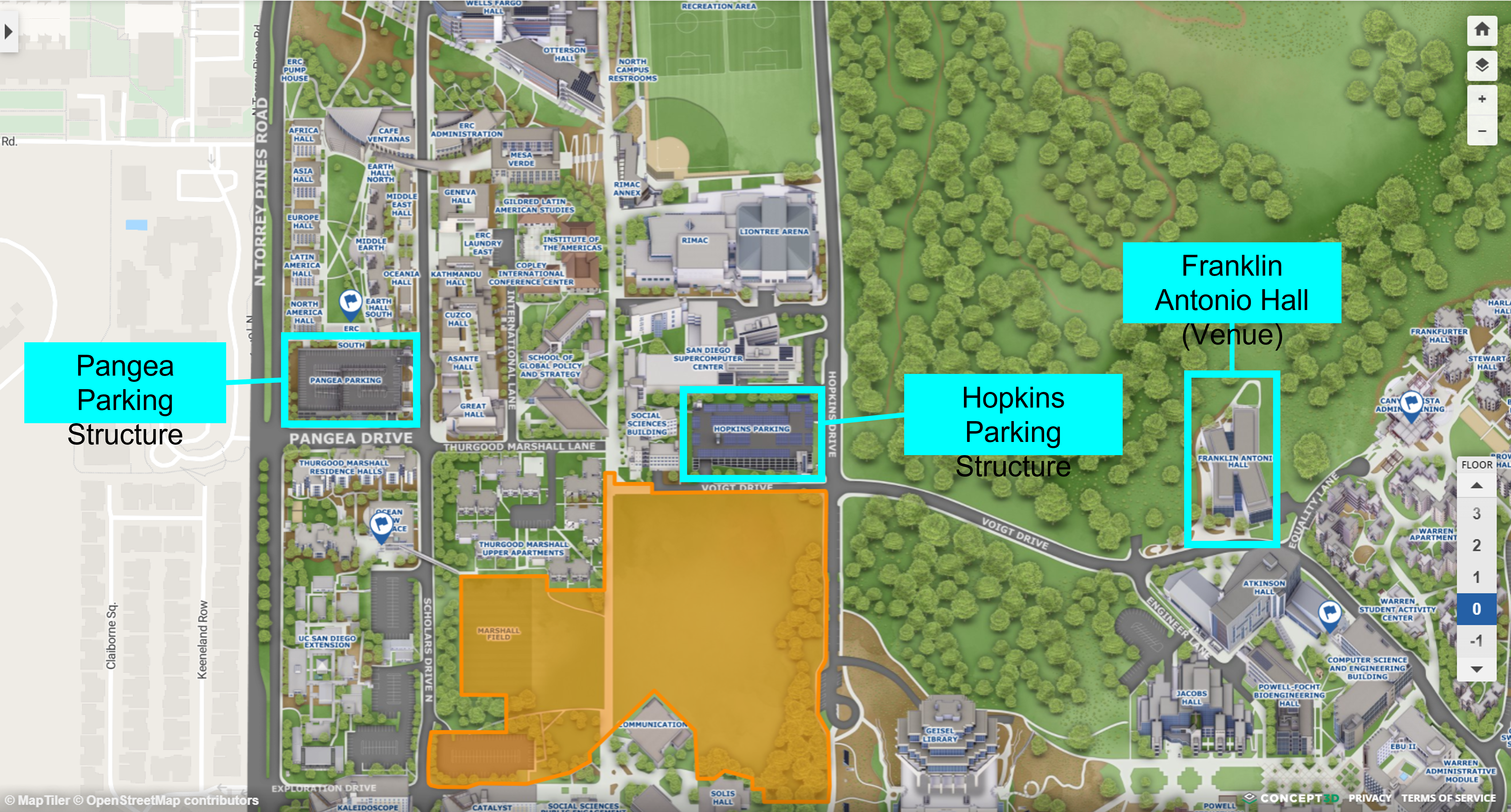
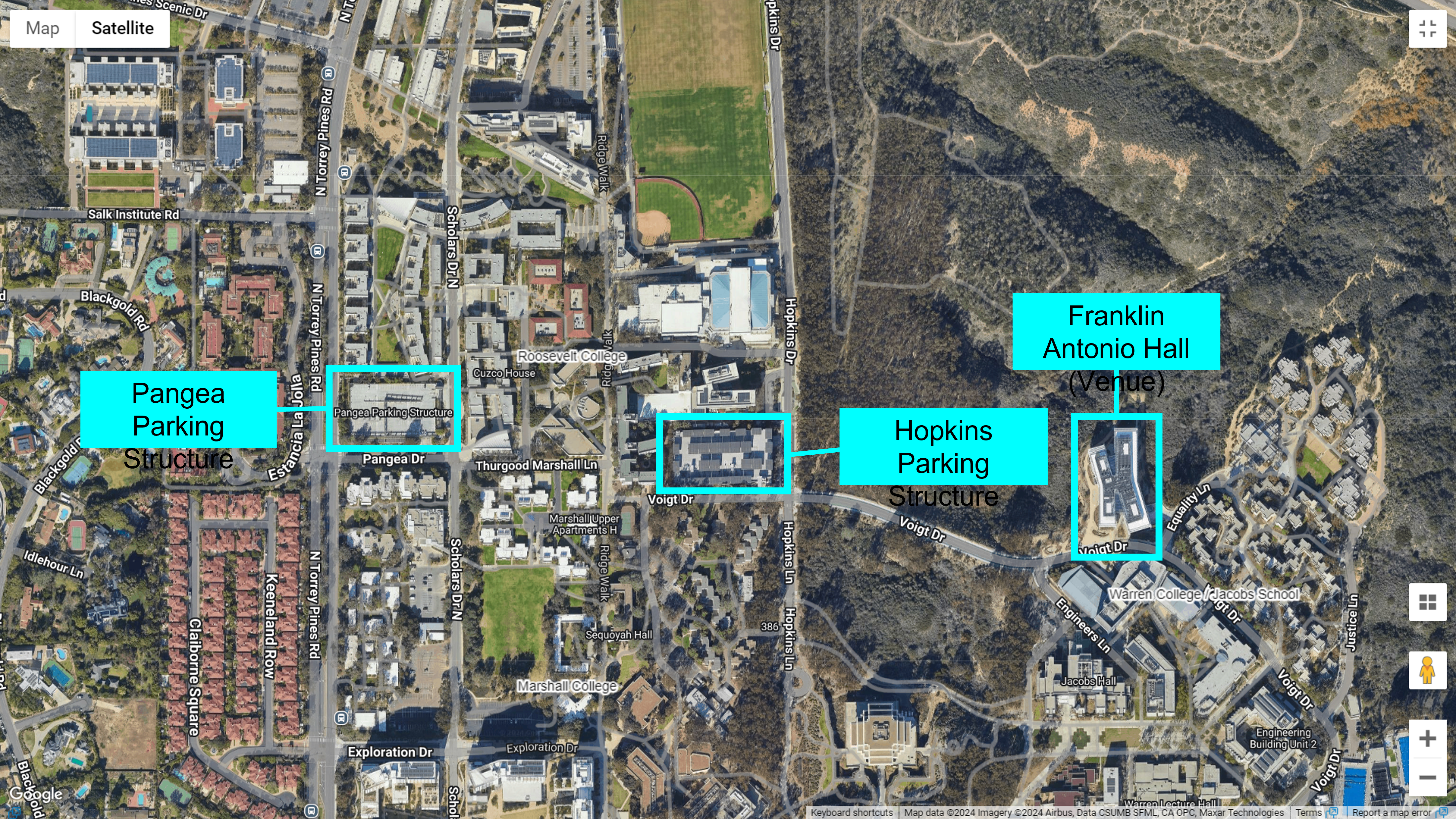
There are two structures available for parking near Franklin Antonio Hall: Hopkins and Pangea. The closest parking structure to the venue is Hopkins Parking Structure (view here or here), located on Voigt Dr. off of Hopkins Dr. If Hopkins is full, please go to Pangea Parking Structure (view here or here), located on Pangea Dr. off of N. Torrey Pines Rd. You may only park in B-spaces with your pre-purchased conference parking permit.
Click image below to see the parking structures and venue highlighted (from https://maps.ucsd.edu/map/default.htm):
Click image below to see the parking structures and venue highlighted on Google Maps (from https://act.ucsd.edu/maps/):
MEET THE INSTRUCTORS
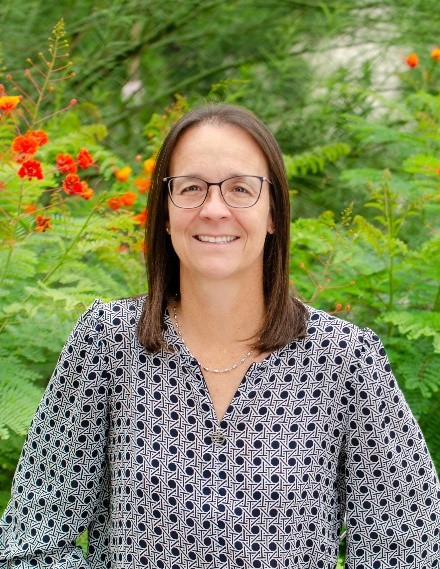 Dr. Ellen M. Rathje, Ph.D., P.E., NAE is the Janet S. Cockrell Centennial Chair in Engineering in the Fariborz Maseeh Department of Civil, Architectural, and Environmental Engineering at the University of Texas at Austin. Her research focuses on earthquake ground motions, site response, and earthquake-induced ground failure, including the development of new approaches and tools for site response analysis. As a consultant, she has been involved in seismic hazard studies for nuclear facilities around the world, including sites in the US, Taiwan, South Africa, and Poland. Her awards include the 2022 Peck Lecture Award from the ASCE and the 2018 William B. Joyner Lecture Award from the Seismological Society of America and the Earthquake Engineering Research Institute (EERI). She is currently the President of EERI and was elected to the National Academy of Engineering in 2025.
 Dr. Adrian Rodriguez-Marek, Ph.D., is a Professor and Director of the Center for Geotechnical Practice and Research in the Charles E. Via, Jr. Department of Civil and Environmental Engineering at Virginia Tech. His research focuses on geotechnical earthquake engineering, with an emphasis on site response and seismic hazard analysis. His major research contributions include ground motion characterization and the treatment of uncertainty in seismic hazard analysis, particularly the development of the concept of non-ergodic seismic hazard analysis. As a consultant, he has participated in seismic hazard assessment projects for nuclear power plants and critical facilities around the world. His awards include the 2021 Outstanding Paper Award from EERI and the 2024 Collingwood Prize from ASCE.
 Dr. Albert Kottke, Ph.D., P.E., has over 16 years of experience in site response and earthquake ground motions. He spent five years at Bechtel Corporation developing site-specific ground motions for nuclear facilities and supporting soil-structure-interaction analyses. Since 2017, he has been a Principal in PG&E’s Geosciences Department, where he advances ground motion modeling and seismic risk assessment. As a consultant, he has contributed to seismic evaluations for various critical facilities, including Columbia River Generating Station, Idaho National Laboratory, and Los Alamos National Laboratory. He also authors and maintains computer programs such as Strata, pyStrata, pygmm, and pyrotd.